In brief
The standoff between the US and Iran over the Strait of Hormuz has intensified, with both parties engaging in blockades of commercial vessels. As the ceasefire prolongs, Pakistan is stepping up efforts to mediate talks. Amidst sealed-off areas in Islamabad and a grim atmosphere, hopes for negotiations remain uncertain, with high-profile delegations still awaited.
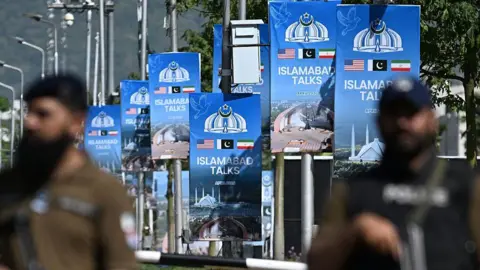
In the latest developments regarding the blockade standoff that escalates between the United States and Iran, both countries are currently engaged in a tense confrontation over the critical shipping route of the Strait of Hormuz. As President Donald Trump announced a ceasefire extension through a post on Truth Social, anticipation grows for peace talks to be held in Islamabad, Pakistan.Instead of active warfare, there exists a 'war of blockades', with both sides using their naval forces to intercept commercial vessels in this vital waterway. As the situation simmers, the region remains precariously charged with tension, leading to heightened concerns about a potential escalation.Pakistan, seeking to position itself as a mediator in international conflicts, is in a wait-and-see mode for Iranian and American representatives to arrive for discussions. Areas of Islamabad have been sealed off, and while preparations are made for the expected delegations, the mood is shifting from anticipation to uncertainty following days of intense speculation.Prime Minister Shehbaz Sharif remains optimistic, affirming Pakistan's commitment to facilitating a resolution. However, both the US and Iran’s reluctance to furnish a unified front complicates negotiations. Despite Trump’s assurances that a deal may still materialize soon, skepticism looms about the possibility of actual progress amidst complex diplomatic dynamics.As we await further developments, questions linger regarding the effectiveness of Pakistan’s diplomatic strategies in a landscape fraught with unpredictability. In the meantime, vigilance over the escalating standoff continues as both nations grapple with their response strategies in a volatile environment.