UN warns:
Iran’s execution spike threatens human rights
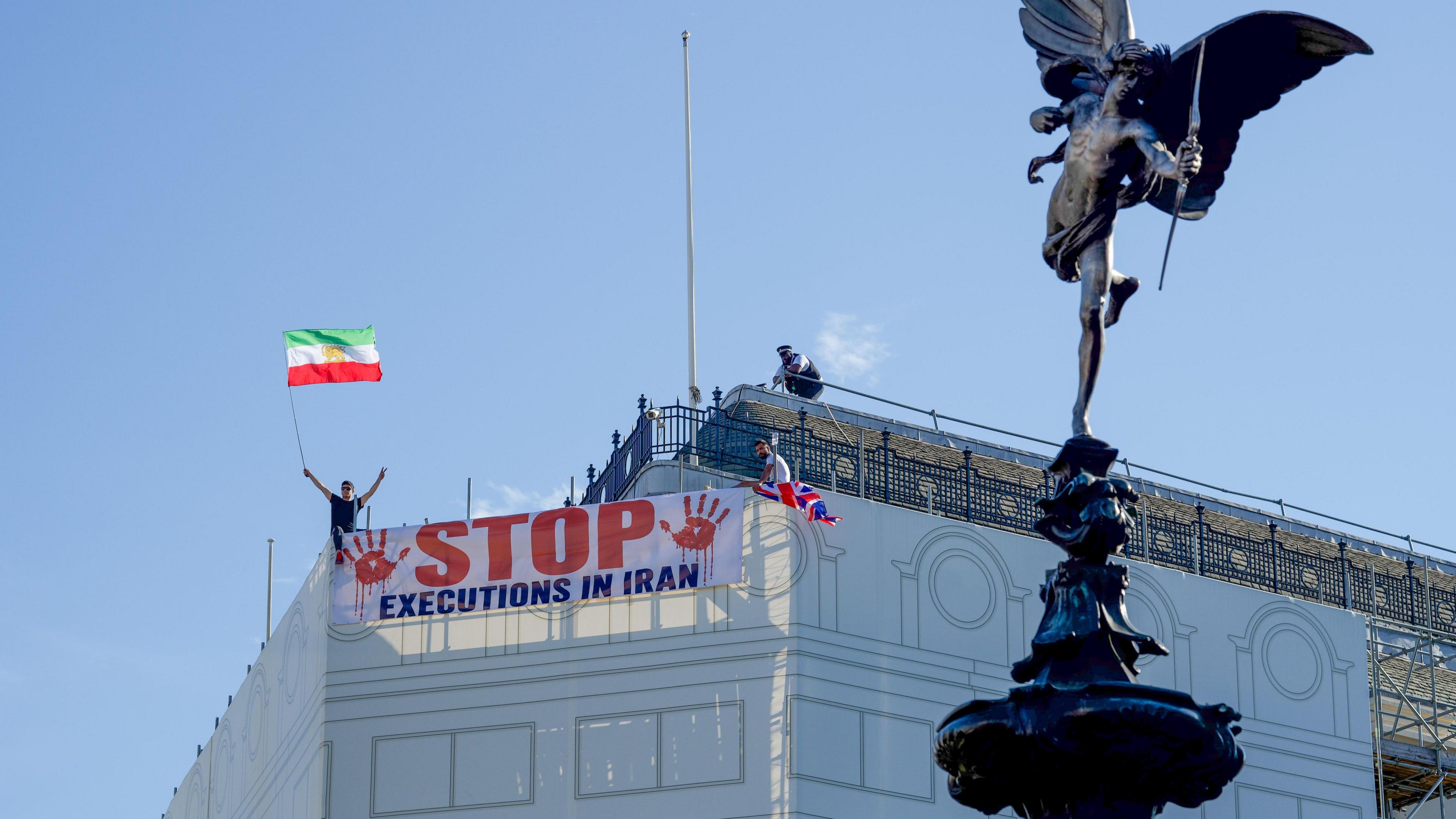
UN Human Rights chief Volker Türk has said he is “deeply troubled” by the rise in executions in Iran, describing the death penalty as a tool used to “instil fear and suppress dissent.”
Since 19 March, at least 56 people have been executed on national‑security charges, with 27 related to the January anti‑government protests. Over 100 others are at risk of death sentences. Drug‑related executions continue at an alarming pace.
Iran is the world’s second‑most prolific executioner after China. 2025 saw more than 2,100 people put to death – a record since 1981 – according to Amnesty International.
Türk urged Iranian authorities to halt all executions and move toward abolition of the death penalty, adding that “such punishment has no place in our world.” He highlighted serious breaches of fair trial guarantees, noting confessions allegedly obtained under torture and closed‑door hearings lasting three hours.
Recent cases illustrate the grim reality: two men convicted of spying for Israel were executed, and 19‑year‑old Arvin Kheirkhahan was hanged for alleged involvement in January unrest. In Isfahan, two men were publicly executed after being charged with “enmity against God” and “corruption on Earth” linked to January’s killing of four police officers.
The UN calls for an immediate stop to executions and a crackdown on torture and flawed judicial processes, warning that Iran’s continued use of capital punishment damages its international standing and human rights record.