In brief
A hydropower tunnel worker in Nepal ran for twenty‑minutes as floodwater turned a once-safe passage into a lethal trap. The sudden gust swallowed machinery, sent debris flying, and forced the team to sprint to escape. The nationwide flood already left over a thousand dead and thousands missing, but this individual survived thanks to a split-second burst of courage and a clear tunnel entrance. The event highlights the risks of large‑scale hydropower projects amid climate‑accelerated floods and the urgent need for better early warning systems.
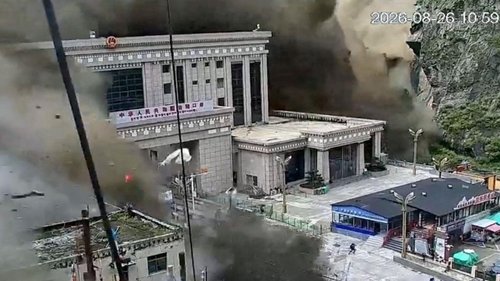
When a sudden gust of wind hit the Upper Trishuli 3B hydropower project, it wasn’t the wind that shook the crew, but the roaring river behind them. Workers, lining a tunnel with concrete, suddenly felt a burst of water smash into the tunnel—turning what should have been a safe passage into a violent flood.
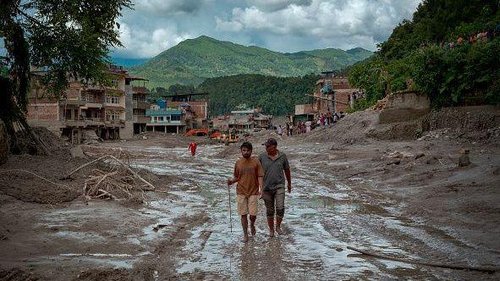
"I ran towards the tunnel entrance," says Pemba Dundu Tamang, a 30‑strong construction crew lead. He managed to outrun the surge for about twenty minutes, breathing a shallow, shock‑laden breath after the water chased him uphill. The flood was so swift that at the same time houses downstream were disappearing into the river.
The disaster has already claimed more than 1,000 lives and left roughly 4,000 people missing across Nepal. Many of those missing are laborers working underground at hydropower sites like Upper Trishuli, where work has required blasting through rock and piling the heavy concrete necessary to build the next power station.
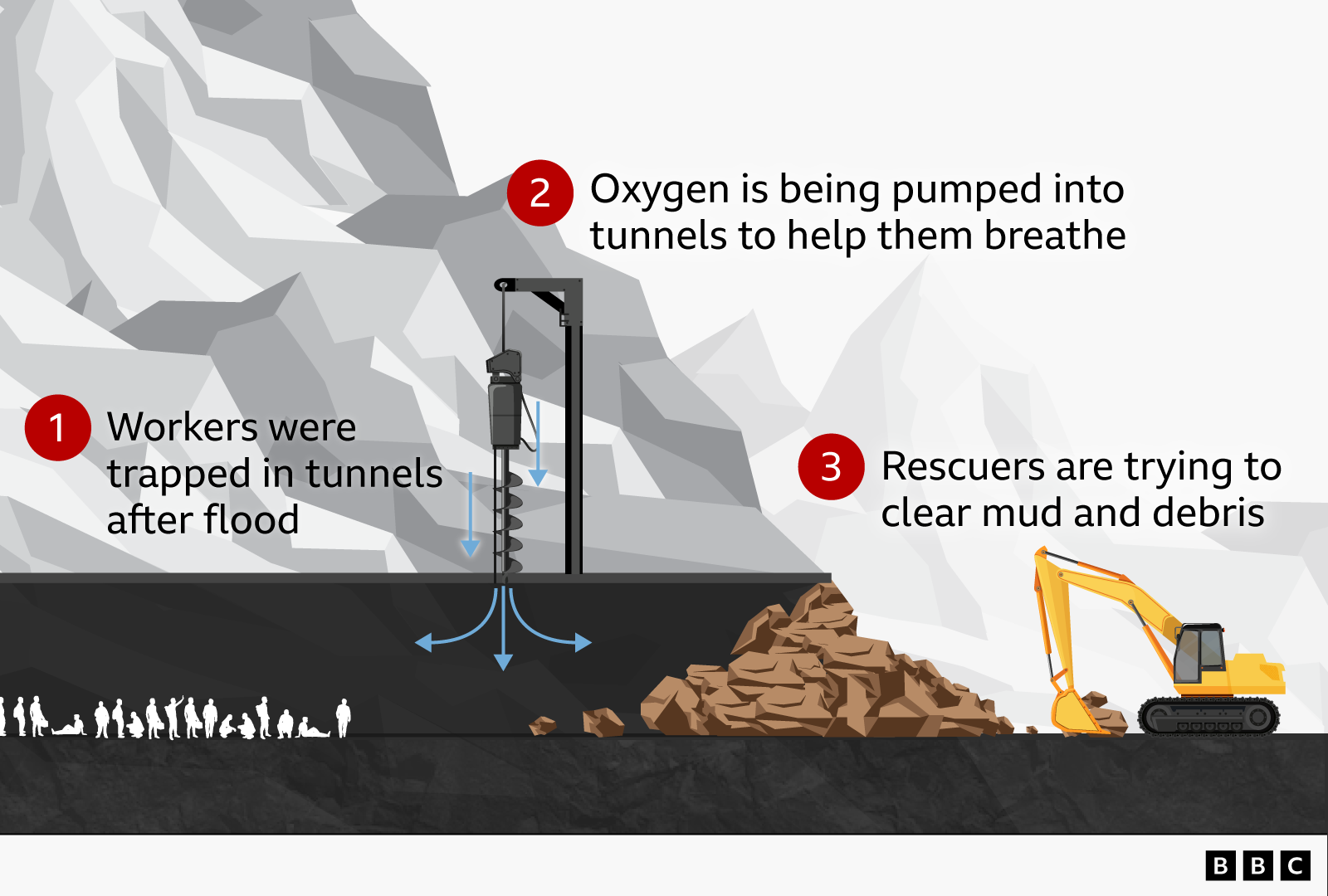
Engineers and the Nepal Army have been running air‑pumps inside the tunnels, attempting to give trapped workers a chance to breathe. Rescue teams are also using bulldozers and heavy machinery to blast open more transport routes, in hope that a few survivors haven’t been left trapped in the dark.
For Tamang, the biggest trauma came from the families lost in the flood. Six of his relatives perished when the wall between their home and the river collapsed. He says, “If things continue like this, we will go hungry… sometimes I feel it would have been better not to survive.”
Scientists say early warning systems could have flagged an unstable glacier and meltwater surge early enough to give villages more time to evacuate. Satellite imagery showed a crack developing in a mountain face days before the tragedy, hinting that the next flood might have been forecasted better.
Today, the hydropower teams work around the clock, hoping to free the surviving workers, while the country mourns a tragedy that could be prevented with smarter design and emergency planning.