In brief
Denmark has cancelled its plan to keep mink farms, ending a long‑running fur industry that peaked in 2017. The move follows centuries of culls and global bans addressing animal cruelty and disease spread. Fur production will halt on 7 August 2029, with a two‑year phase‑out for farms. The decision reflects a growing push from youth, conservationists, and fashion groups against fur.
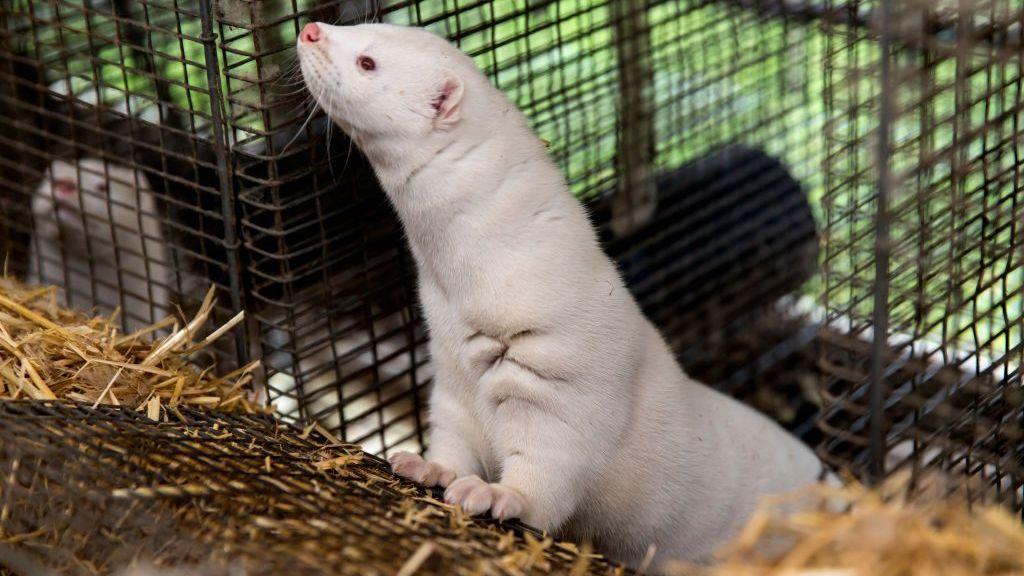
Denmark is ending the mink fur industry. The government has reversed a previously planned exception to the European Union’s ban and will stop mink farming in 2029.
For years, Danish farms supplied almost half the world’s mink pelts. A 2020 cull killed 15 million animals after a Covid‑variant spread in the animals, and a surge in protectionist attitudes has pushed the industry into trouble.
From 7 August 2029, all mink breeding will cease. A two‑year transition gives farmers time to close the seven remaining farms, a process expected to cost about DKK 14 million (≈£1.5 m), though the final amount could rise.
Only about 15,000 mink remain in Denmark, all kept in the last seven farms slated for closure.
Animal‑rights groups and many fashion brands say fur is cruel, and a new generation of buyers prefers synthetic alternatives. The ban marks a big win for those calling for more sustainable, cruelty‑free fashion.