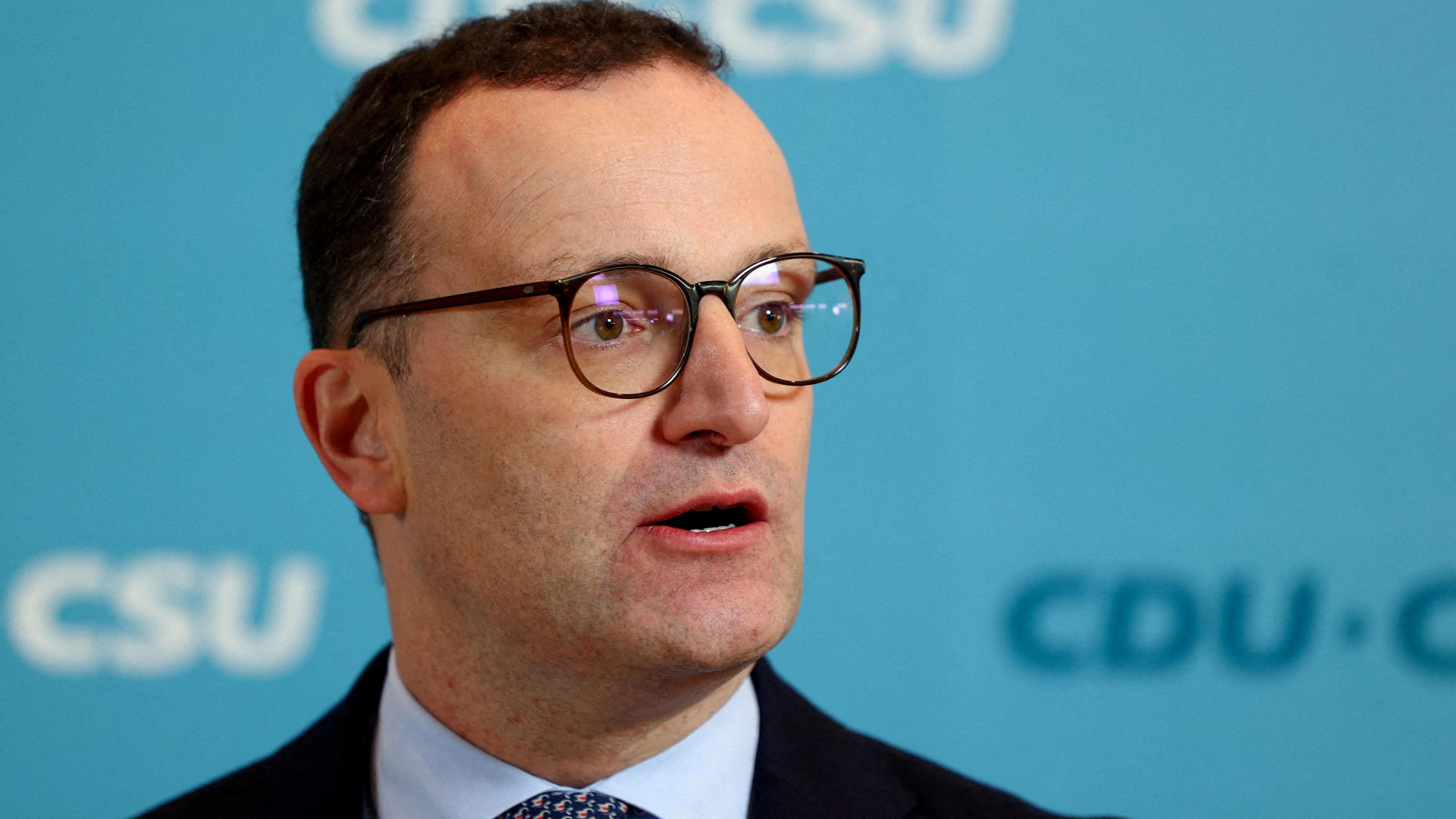
German politician Jens Spahn stepped down as the leader of the coalition caucus on 18 July after critics accused him of hypocrisy for using a surrogate mother abroad, a method that contravenes German law.
Surrogacy is outlawed in Germany and penalised with up to three years in prison. Yet, children born through a foreign surrogate are allowed to stay in Germany and the parents’ legal status is recognised.
Spahn, 46, revealed that he and his husband Daniel Funke had welcomed a child by a U.S. surrogate, an admission that prompted backlash from both opposition parties and his own CDU division.
Chancellor Friedrich Merz called Spahn’s resignation a “right” and “inevitable” step, stressing that “credibility is the highest asset in politics” and said he would enlist a successor.
The CDU’s resignation follows a 2022 resolution that reaffirms the ban on surrogacy, and the party’s internal note says Spahn previously resisted attempts by the liberal FDP to relax the ban.
Surrogacy remains a contentious issue across Europe. France’s Court of Cassation has recently declared recognition of children produced abroad, while Italy’s 2024 law now forbids Italians from pursuing surrogacy overseas.
With the CDU’s popularity dipping and the far‑right AfD gaining traction in eastern German states, Spahn’s departure might be seen as a strategic move to protect the coalition’s image ahead of the autumn elections.
The controversy also fuels discussions about the broader justice of surrogacy laws, as many couples look abroad for fertility solutions while Germany enforces strict domestic rules.
The debate will likely continue, raising questions about whether politicians might use personal choices to test—or abuse—policy boundaries, and what this means for Germany’s policy future.