A changing line of succession
Japan’s parliament has approved a bill to relax imperial succession rules amid concerns over the dwindling size of the imperial family. The bill, passed by the upper house on Friday, allows the imperial family to adopt distant male relatives over the age of 15 and lets women keep their royal status after marrying outside the family.
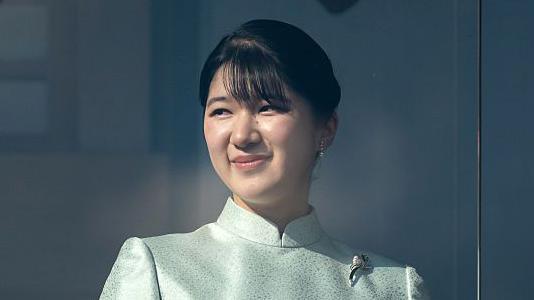
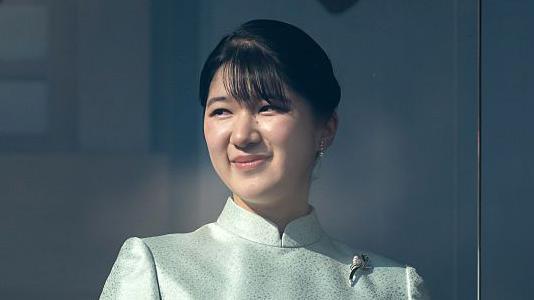
However, the law still bars women from ascendant the throne, keeping Princess Aiko – the only child of the current emperor – ineligible to succeed Naruhito. The bill is the first amendment to the main text of the Imperial House Law since 1949 and is the biggest overhaul of Japan’s imperial system in decades.
The current line of succession goes as follows: first, 60‑year‑old Fumihito, the emperor’s younger brother; second, 19‑year‑old Prince Hisahito, his son; and third, a 90‑year‑old uncle. If Prince Hisahito does not produce a male heir, the line will end.
The bill also means that female members of the imperial family, who previously had to give up their titles after marriage to a commoner, can now retain their status. Nonetheless, descendants of these female members who marry outside the imperial house will still be excluded from the throne.
Public opinion shows high support for a female monarch: a June survey by Mainichi Shimbun recorded more than 70% of respondents favouring a woman on the throne, and a Kyodo News poll found 83% in favour. Conservative politicians, however, champion the male‑only succession rule, citing imperial legitimacy.