In brief
Israel’s elections have the country split in half as voters head to the polls. Polls show a neck‑and‑neck tie between the incumbent Netanyahu coalition and newcomer Gadi Eisenkot’s centre‑right party. New‑media tactics, with AI‑generated campaign videos and fresh faces, are energising first‑time voters and boosting Eisenkot’s profile. The outcome could decide how Israel balances security, democracy and justice after the October 7 attacks and the country's most right‑wing government in history.
Politicians, social media, and the memory of three years of war have turned Israel’s general election into a fight for the nation’s future.
Recent polls put the old‑guard Likud coalition and the new-centre‑right Yashar party neck‑and‑neck. Out of a population that is almost 9 million, 500,000 voters will be casting ballots for the first time and 70,000 people are flying in from abroad just to vote.
On Saturday night, crowds swarmed Tel Aviv’s city centre demanding a change. “I want peace, I want security, and I want to end corruption and get the religious fanatics out,” said 21‑year‑old Omri, who joined the rush with hope.
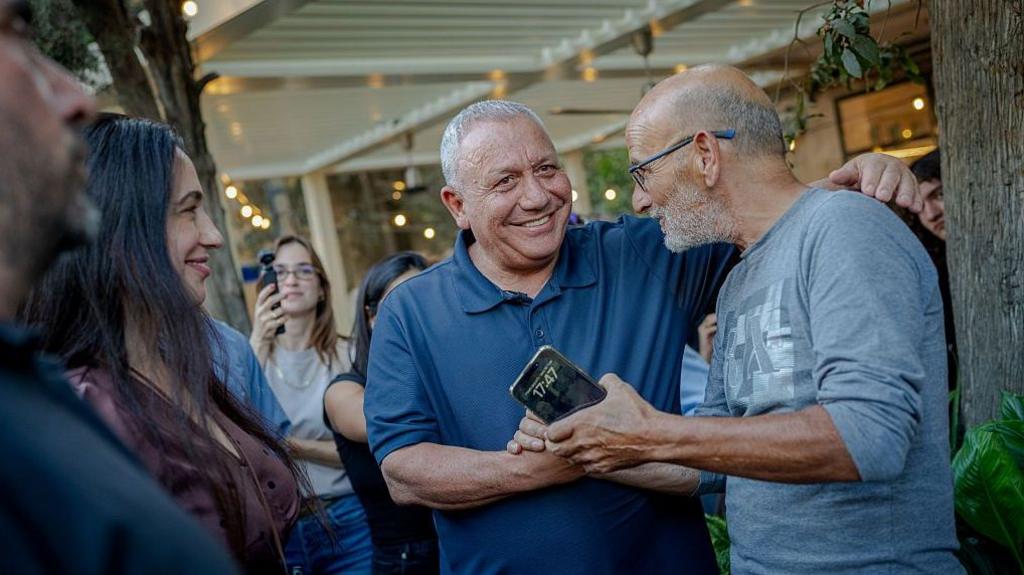
The opposition’s new tactics include AI‑produced videos that cut straight to the point. The fresh face leading the charge is Gadi Eisenkot – a former military chief of staff from a working‑class Moroccan background who is known for his calm, low‑drama style.
Eisenkot’s Yashar party has repeatedly topped Likud in polls, staying ahead right up to the Friday last‑minute results. In Israel, powering a government is almost always about building coalitions, so the battle is more about the future direction of the country than a single party winning outright.
Eisenkot “looks someone in the eye, not like a leader looking down on them,” said David, a local business owner who had the chance to hear the new candidate speak in a community centre. “And he listens. He’s very sympathetic.”
Former Prime Minister Netanyahu is again in the race, insisting that his experience is the key to keeping Israel safe and proud. He has focused his message on security, claiming that the country’s most recent attacks proved his “no‑surrender” stance is necessary.
Yet many Israelis fear that Netanyahu’s government would erode democratic values. He is trying to curb judicial power and has refused to set up a state commission on the October 7 attacks, a move many say would bring transparency.
The far‑right, represented by Itamar Ben‑Gvir and the Jewish‑Power party, is reaching out to younger voters with bold social media messages, promising a tougher stance on Gaza and a stricter military draft for all Israelis, including the ultra‑Orthodox.
Some voters upset by the 7 October blasts are now gravitating to even more extremist rhetoric. “We need a hard line on our security,” said Lt. Col. Eyal Hajbi from the Gaza border town of Sderot. “If we didn’t build a state commission, the whole system could be biased against a strong defense.”
Voters in the more left‑leaning kibbutzim of Nir Oz, which were hit hardest, are returning to their towns and opening modest businesses. 26‑year‑old Gal Pauker opened a café to serve locals and, while mourning a missing family member, expressed hope that a new political direction can bring more peace.
With the polls so close and an estimated 70 percent of Jewish Israelis supporting a state inquiry into the October 7 attacks, the next government will need to find a bridge between security and democratic accountability.