In brief
Iran’s missile attack on a U.S. base in Jordan marks a shift from tentative peace to a deliberate, limited clash aimed at re‑leveraging its strategic edge. By keeping pressure on the U.S. and the Strait of Hormuz, Tehran hopes to keep sanctions tight and fuel price hikes. Yet the move tugs at regional stability and could invite wider counter‑attacks. The fragile balance could evaporate if escalation rolls into full‑scale war, forcing countries to weigh the cost of higher defense spending. Iran’s short‑term gains risk long‑term losses if the “controlled conflict” spirals out of control.
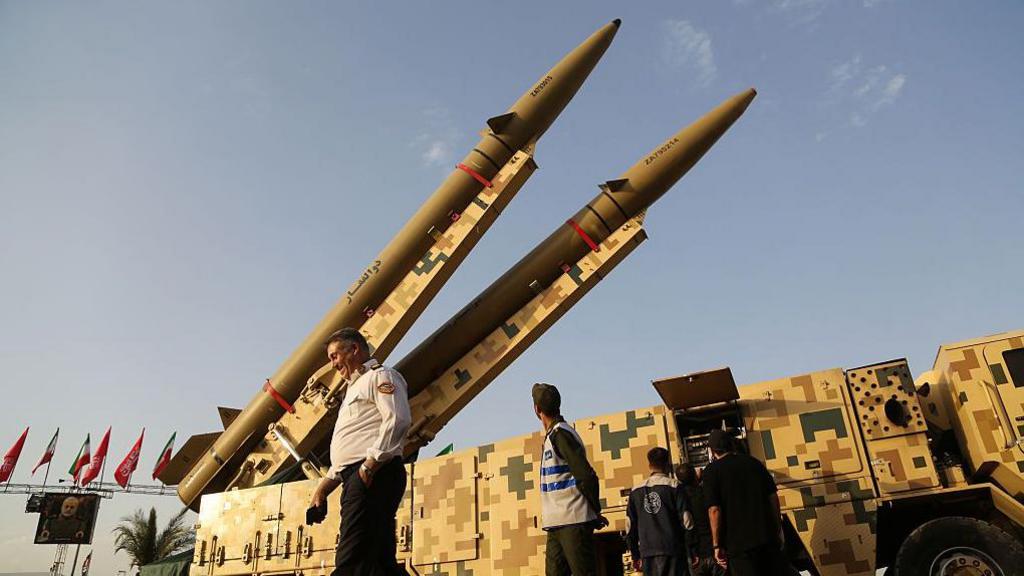
In a move that shocked the world, Iran fired a missile at a U.S. base in Jordan, snapping a fragile cease‑fire and triggering renewed U.S. strikes on Iranian targets.
The attack seems counterintuitive if Iran wanted a quick peace, but experts now see it as a smart gamble. Tehran intentionally keeps the conflict small to avoid a full‑scale war while still squeezing the United States and stoking oil‑price volatility.
Why a limited war could be Iran’s best play: 1) The U.S. is reluctant to draw down its forces and could avoid an all‑out fight. 2) A narrow conflict keeps the U.S. navy blockading Iranian ports active, ensuring sanctions stay hard. 3) Iran’s poor air‑defence, weak industry and a stalled economy make large losses costly – a small scale conflict limits that damage.
But the gamble comes with risks. The world’s energy grid already feels the strain from Iranian‑led disruptions – higher insurance costs, shipping delays and rising fuel prices – and a prolonged clash could drive more countries to rally behind the U.S. to push back harder.
In short, Iran seeks to keep its diplomatic leverage alive by keeping the war open but below the threshold that would invite a full‑blown conflict. Yet if escalation spills over, the international community may find the price too high and force an end to the “controlled” standoff.