Death row inmates desperate to escape execution in Saudi Arabia call the BBC
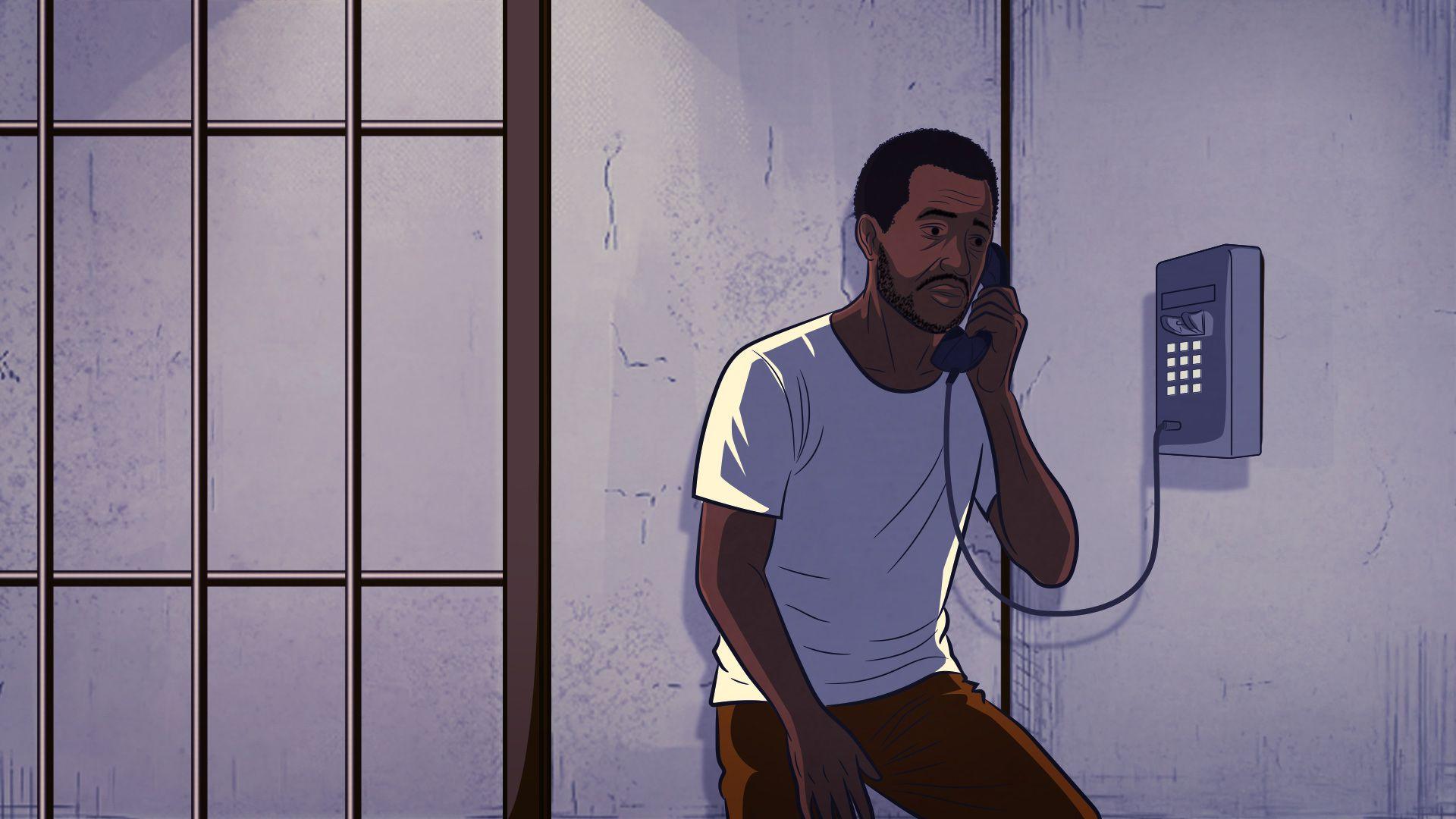
Three years ago a young Ethiopian, Habtom, slipped into a Saudi cell lined with bars and is still staring at a death sentence. The only voice he’s heard in those years has been the sharp crack of his prison cell’s radio as the guards bring food.
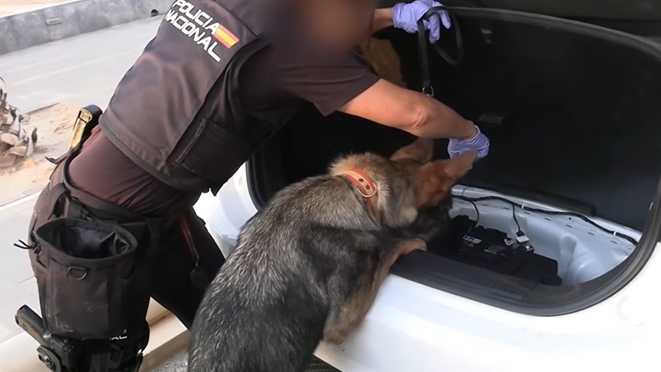
Habtom’s story echoes many others: thousands of Ethiopians were lured by promises of money along routes from Djibouti and Yemen into Saudi Arabia, only to be caught when the local police opened fire on the smugglers at the border.
They were accused of carrying hashish or other drugs – often they did not even know what they had been asked to transport. The escape? A desperate phone call to the BBC’s Tigrinya service from a cell phone hung on a prison wall.
While the Saudi legal system offers just a brief ‘appeal’ window, real lawyers and complete documents are rarely available. Prisoners are forced to sign Arabic statements that could convict them, then the sentence is executed “without question” when the king’s decree arrives.
The surge in executions this year—over 17 Ethiopians in the first seven months alone—validated the fear of the inmates, who now starve, sleep on trash bags, and live in cells that cram 200 men into a space for 90.
Rights groups such as Amnesty, Reprieve and Human Rights Watch say the process is opaque and often un‑fair, calling for urgent consular help from Ethiopia and tighter monitoring of Saudi jail conditions.
In a ward where food comes once a day, where the guards mask up and the doors close hard, Habtom and dozens of other inmates do not know when the final blow will be delivered. Their only short‑term hope is that international press attention forces a change in the brutal practice of Saudi capital punishment.