In the late summer of 2026, the tense streets of Mashhad—a holy city in northeast Iran—were filled with solemn, black‑clad mourners. Their eyes turned to street after street as a convoy carried the coffin of Ayatollah Ali Khamenei, Iran’s former Supreme Leader, toward the Imam Reza shrine.
This funeral, which followed six days of public mourning in five cities across Iran and nearby Iraq, was a signal of unity and strength. The burial occurred at the shrine of Imam Reza, the country’s most sacred Shia site, known for its towering golden dome.
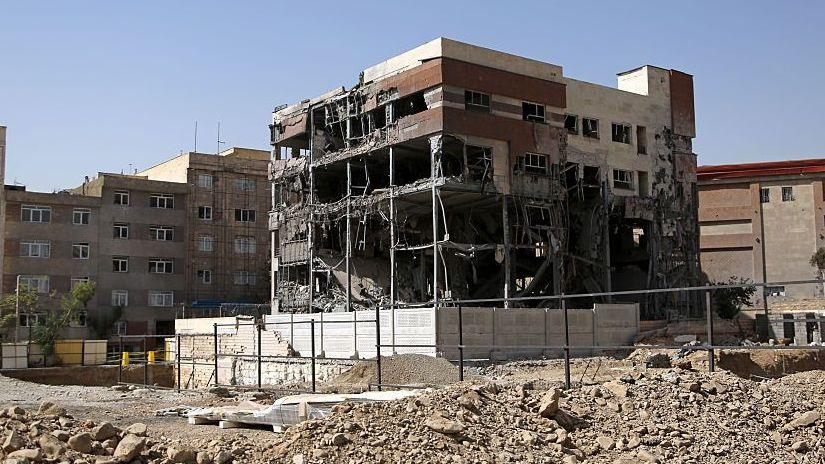
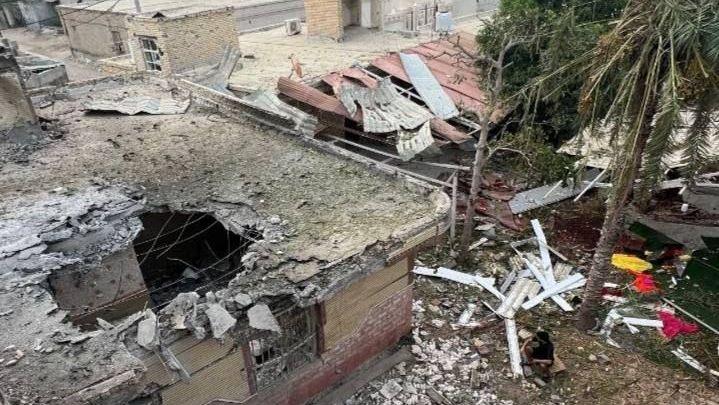
Khamenei’s death has been entwined with escalating tensions. The state news agency IRNA linked the burial to an exchange of strikes between Iran and the United States, an event that threatens to disrupt a preliminary peace deal aimed at ending the war that killed him. Revolutionary Guards blamed U.S. bombing of two railway bridges as an attempt to shadow the funeral.
The coffin of the late leader was flown to Mashhad from Iraq, where crowds had already gathered at the shrines of Najaf and Karbala. A lorry then moved slowly through the packed crowds to reach Imam Reza’s gates at dusk.
Mourners carried photos of the late Supreme Leader and carried red banners, a symbol of revenge. Some held placards demanding the death of U.S. President Donald Trump and Israeli Prime Minister Benjamin Netanyahu, leaders involved in the April attack that triggered the war.
“Higher than my parents, this loss touches me deeply,” said Hoda, a 35‑year‑old housewife to AFP. “Only Trump and Netanyahu will ease our pain.”
The man with the deceased’s mantle was followed by his granddaughter, son‑in‑law, a daughter and Mojtaba’s wife. Mojtaba, the heir to the position, was seriously wounded in the October attacks and has stayed out of the public eye.
Across Iran, the funeral showed the scale of national mourning. In Tehran, a similar procession took place earlier in the month, with the coffin walking past a series of memorials and an air of somber respect.
Khamenei’s 37‑year reign was marked by hardline policies and suppression of domestic dissent. His legacy now shapes Iran’s military posture, especially regarding confrontations with the United States and Israel.
While diplomats tried to take advantage of the funeral period to negotiate a broader peace, U.S. President Trump called the memorandum of understanding ‘over,’ indicating a political split as lives hang in a fragile balance.