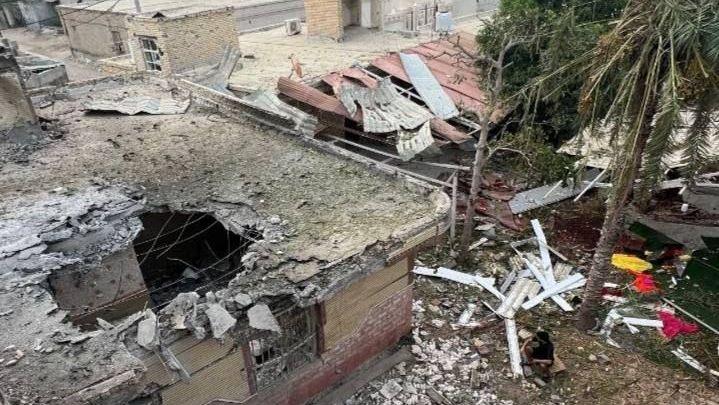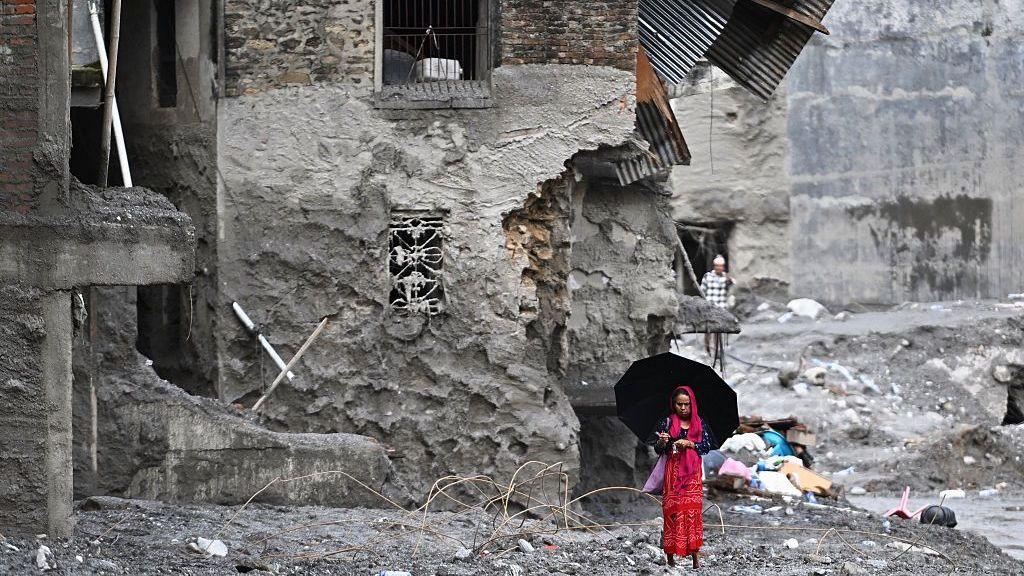

In the heart of Sudan’s long‑running conflict, the city of El‑Obeid is a flashpoint. Drone swarms are striking fuel stations, causing fires, injuries and countless shortages.
University student Sarah was near a crowded fuel station when a drone exploded. She survived but now carries shrapnel in her leg and hand.
El‑Obeid is a strategic army outpost. The RSF forces, which control the west, have surrounded the city, but the army has built a fortified supply corridor to keep the city defended.
According to crime‑monitoring group Acled, the city received 27 drone strikes in June – the highest since the war began. The UN recorded 45 deaths and 41 injuries in just 15 strikes between 6 and 28 June.
Local doctors report a flood of casualties: limb injuries, head trauma and the heartbreaking case of a baby whose hand had to be amputated after a strike. Their clinics are overwhelmed, and the city’s hospitals are running out of supplies.
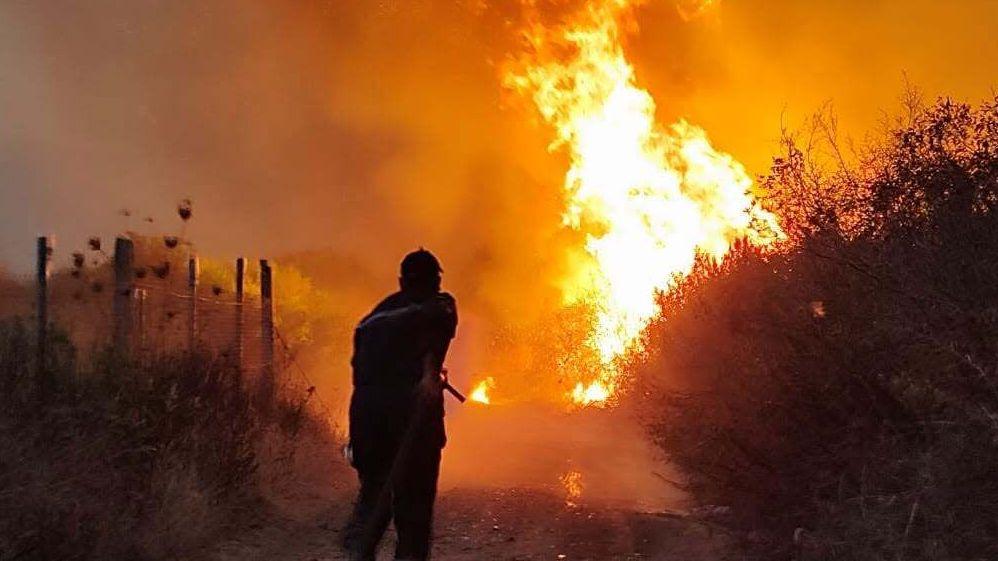
Fuel is now scarce. Satellite images show at least eight fuel stations damaged between late May and late June, sparking price hikes. With fuel and electricity cut off, water pumps fail, putting residents at risk of water‑borne diseases.
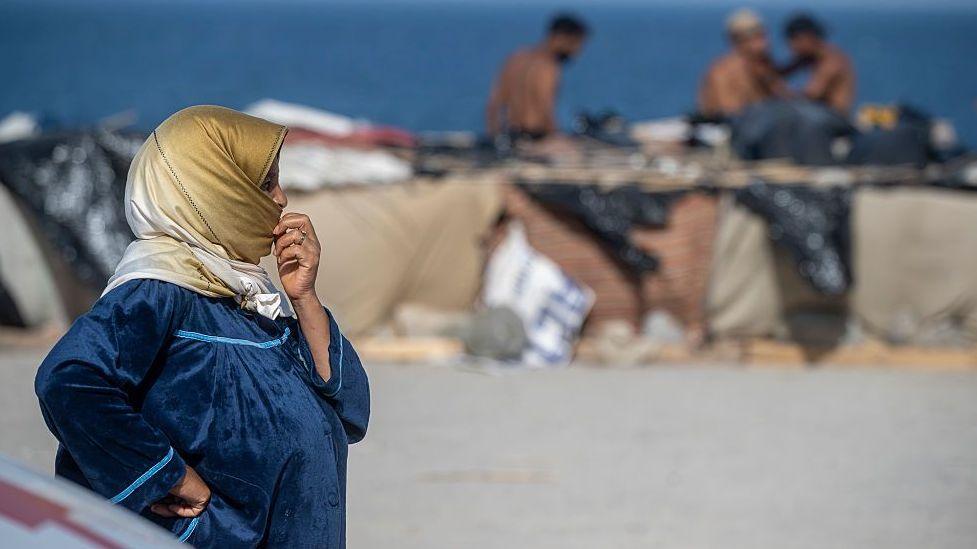
Around 100,000 displaced people have fled to El‑Obeid hoping for safety, but the city’s future hangs in the balance as drone attacks intensify. Many are unable to leave their homes because of the constant threat of new strikes.
While the RSF denies any mass violence plans, past incidents like the siege of El‑Fasher raise doubts. Humanitarian watchers caution that Al‑Obeid could face a new wave of violence if the fighting escalates.
As the war rages on, residents must survive the uncertainty of every night when drones overhead. The city’s resilience will be tested as bombs keep falling.