In brief
Diverse reactions highlight the challenges of uniting Syria's politically and religiously varied factions.
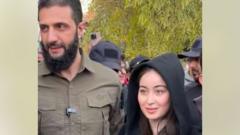
In a recent interview, Syria's rebel leader Ahmed al-Sharaa dismissed the backlash related to a photo he took with a woman, Lea Kheirallah, in Damascus. Videos circulated online showing Sharaa gesturing for Kheirallah to cover her hair before the photo, igniting debates among liberal and conservative critics. Sharaa, leader of the Sunni Islamist group Hayat Tahrir al-Sham (HTS), asserted that he did not force Kheirallah to comply, describing it as a matter of personal choice regarding how he wanted to be photographed. Kheirallah echoed this sentiment, stating he had approached her in a "gentle and fatherly" manner. The incident reflects the precarious path any future leader of Syria may face due to the country's diverse social and religious landscape, as Sunni Muslims are the majority, while Christians, Alawites, Druze, and Ismailis make up the rest. Tensions persist among differing factions on governance styles—some backing a secular democracy and others favoring Islamic law.Initially strict about behavior and dress codes, HTS has moderated its stance amid public backlash in recent years. The Quran advocates modest dressing for both genders, but interpretations vary widely. Social media erupted in response to the incident, with commentary ranging from fears of an Islamic regime to critiques of Sharaa's leadership style.As the debate continues, hardline elements within conservative circles criticized Sharaa's decision to pose alongside a woman, alleging it demonstrated leniency in adherence to conservative values. Ultimately, this photo incident reveals the complexities of governance and representation in a historically fragmented nation emerging from years of conflict.