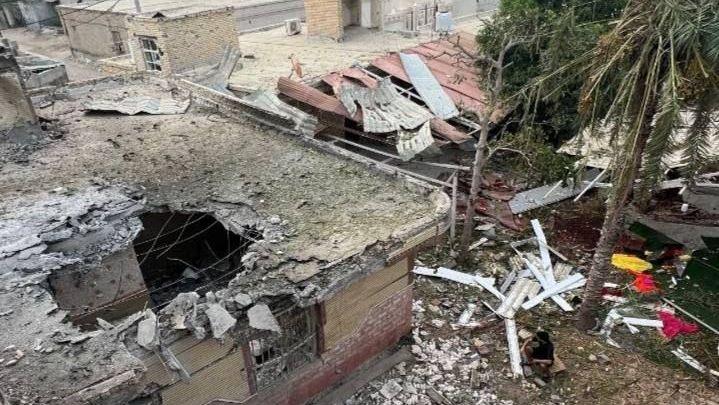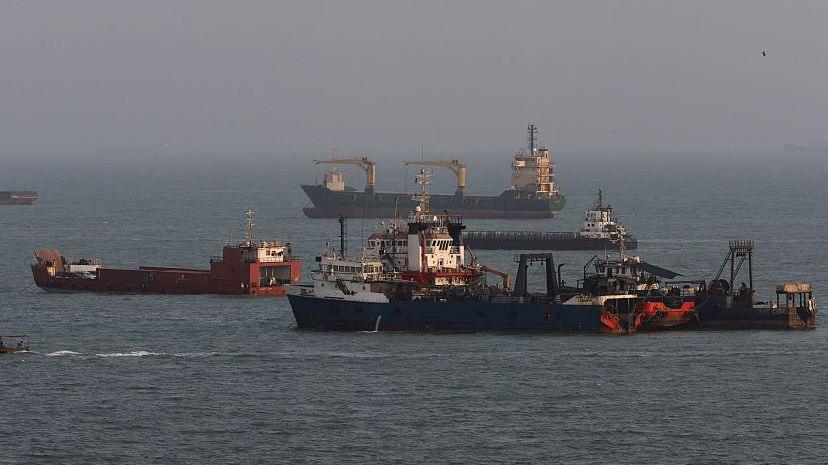
Iran has launched fresh attacks on U.S. military bases in Jordan, Kuwait and Bahrain, claiming the strikes are a response to stalled negotiations with the United States. The U.S. military has responded with a seven‑hour strike wave targeting command centres, air‑defence sites and coastal surveillance facilities across the Gulf region, aiming to degrade Iran’s threat to mariners in the Strait of Hormuz.
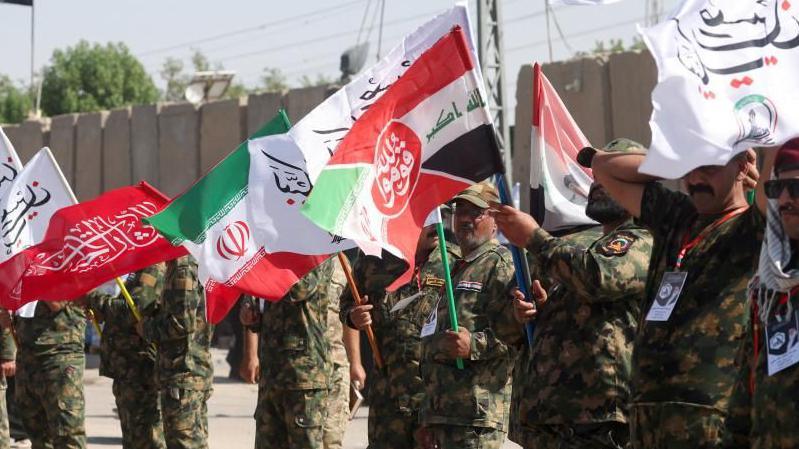
President Donald Trump warned that Iran would face “further military action” if it failed to return to talks, remarking that Tehran must behave or suffer the consequences. Iranian negotiator Mohammad Bagher Ghalibaf replied that Iran has no reason to agree to a deal that adverse to its interests, asserting that the country’s security hinges on maintaining its arrangements around the Hormuz Strait.
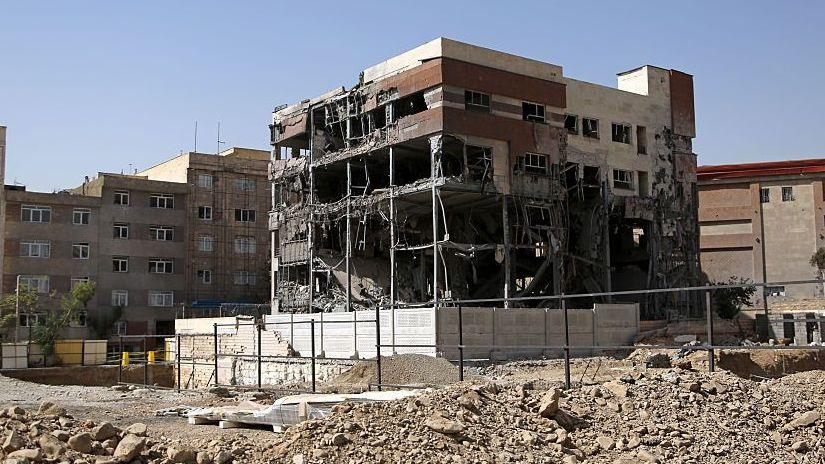
The latest attacks also saw U.S. forces targeting key Iranian communication systems and fuel storage in Jordan, with explosions heard across the capital and air‑defences triggered in Tehran. Following the U.S. strikes, Gulf allies reported drone attacks: Kuwait intercepted drones and Bahrain’s interior ministry urged residents to stay calm and move to safe locations.
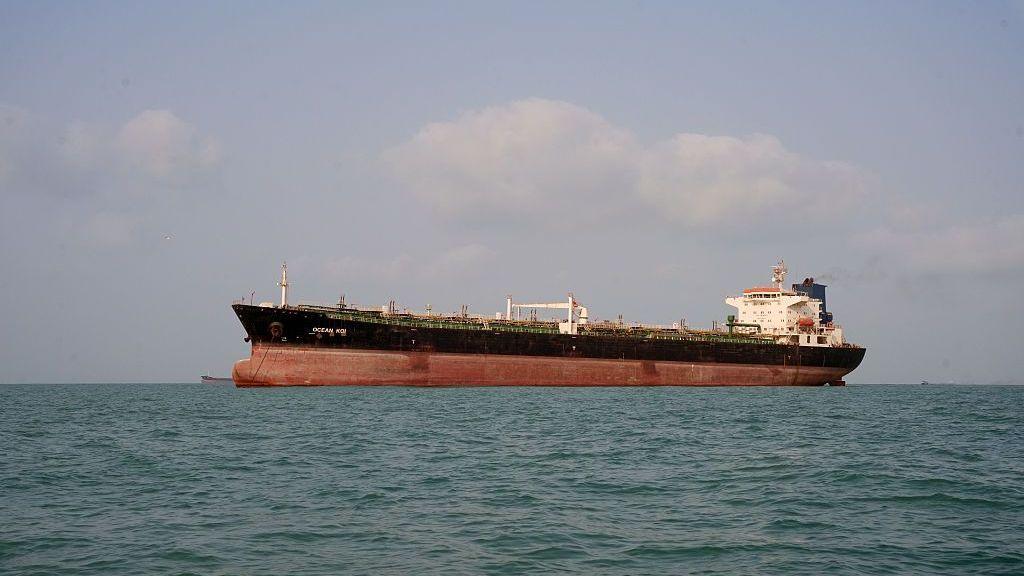
Separately, U.S. forces disabled an unladen, Curacao‑flagged oil tanker that was heading toward a blockaded Iranian port, in a move that underscores the broader conflict over maritime traffic and energy supply in the region.
The escalating exchanges between Iran and the United States have drawn international attention, as both sides intensify their military posture in a fragile region where tensions could quickly spiral. The coming days will likely determine whether diplomatic channels can be reopened or if naval clashes become the new norm in the Gulf and the Strait of Hormuz.