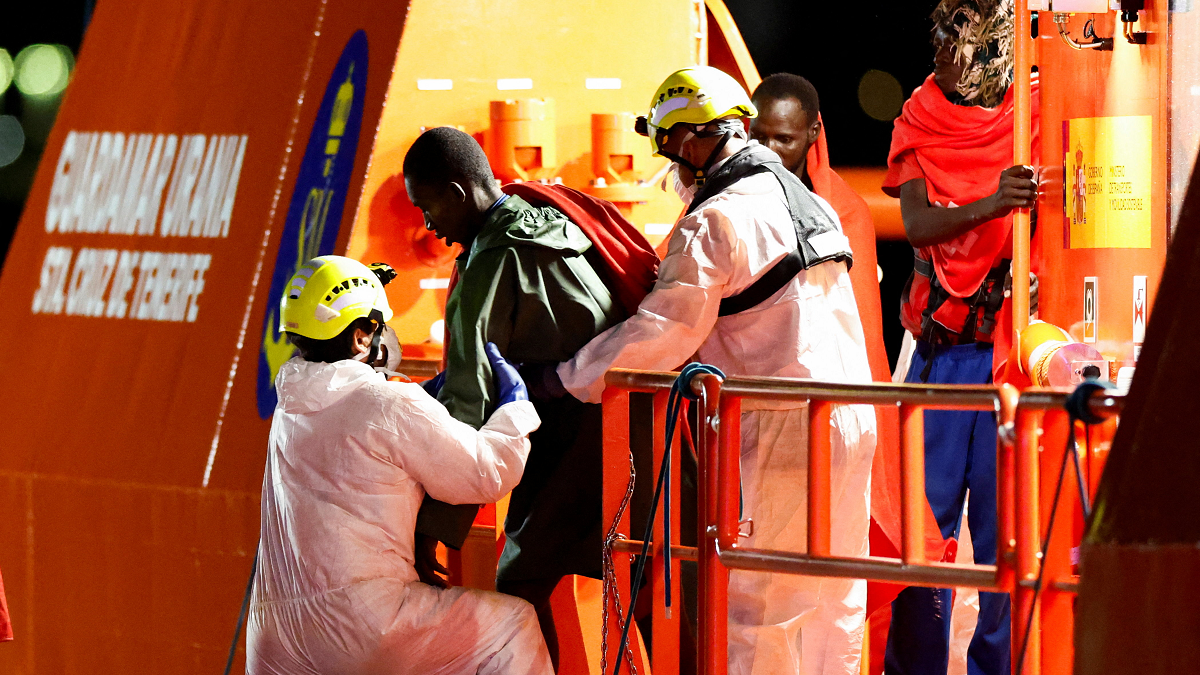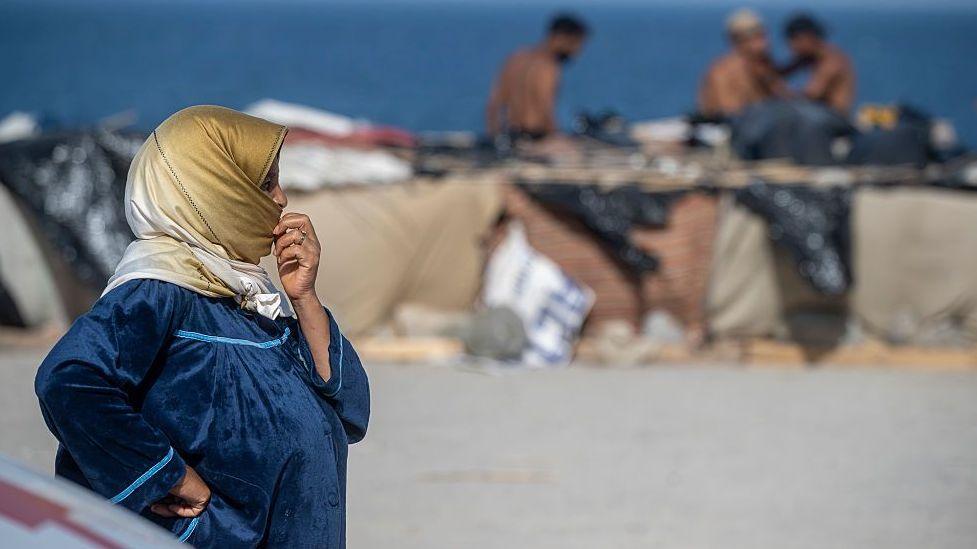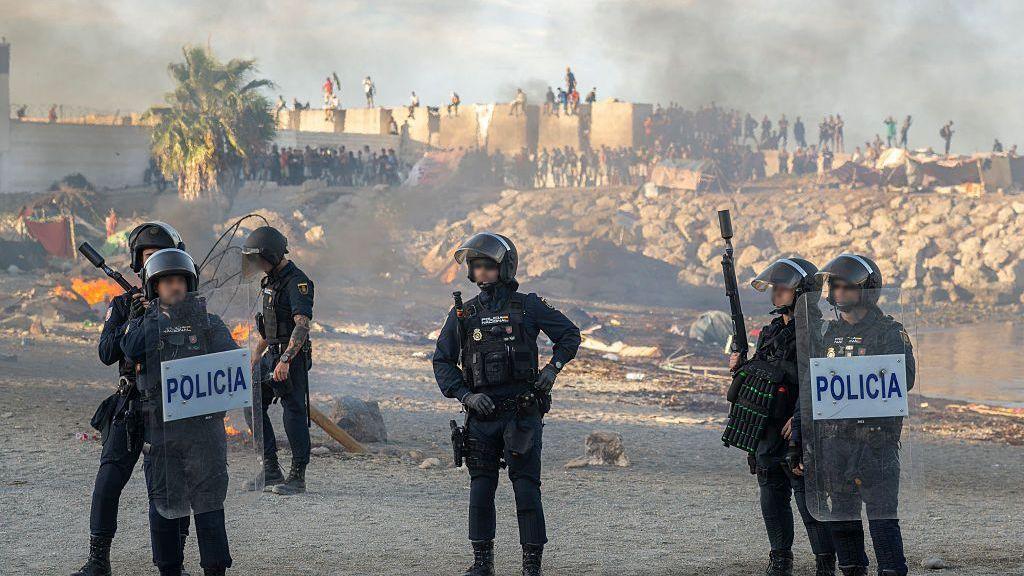
When 78,000 people from Morocco flooded into the Spanish enclave of Ceuta on 30 July, the city was at once overwhelmed. 100 people lost their lives in the early hours of the crossings, and the local mayor, Juan Jesús Vivas, confirmed that as many as 3,000 to 5,000 migrants are still waiting in Ceuta.
Vivas expressed “profound sorrow” at the tragedy and criticized the Spanish government for being slow to react. While the government has deployed armed forces to both Ceuta and its neighbour Melilla, the interior minister says the effort is “firm” but still not enough to restore normal life.
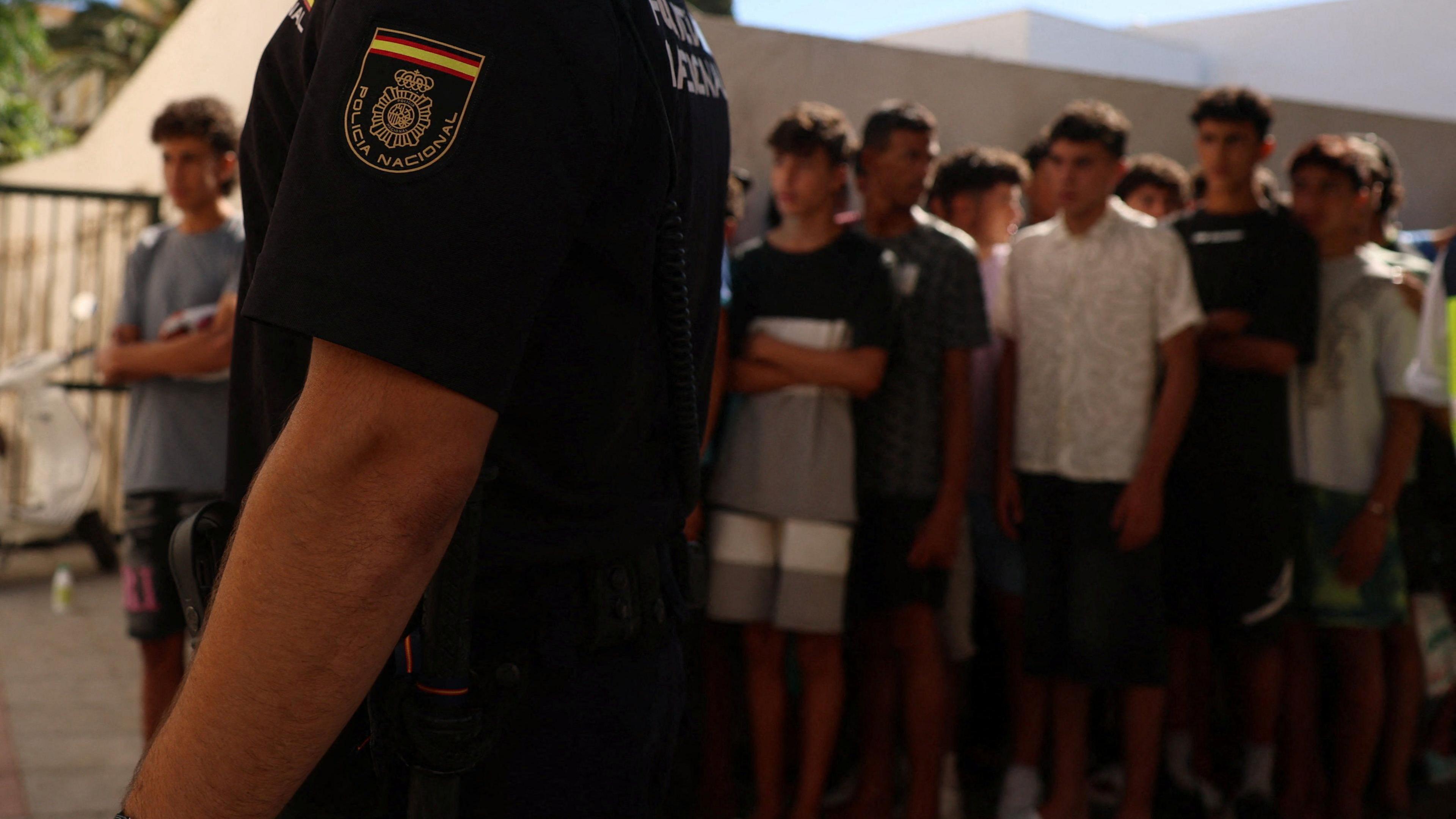
Much of the crisis centres on children. Volunteer groups have registered about 4,860 migrant children, double the official estimate, but none have been relocated to mainland Spain. €25 million has been earmarked to help them, but the local leadership insists the aid is insufficient.
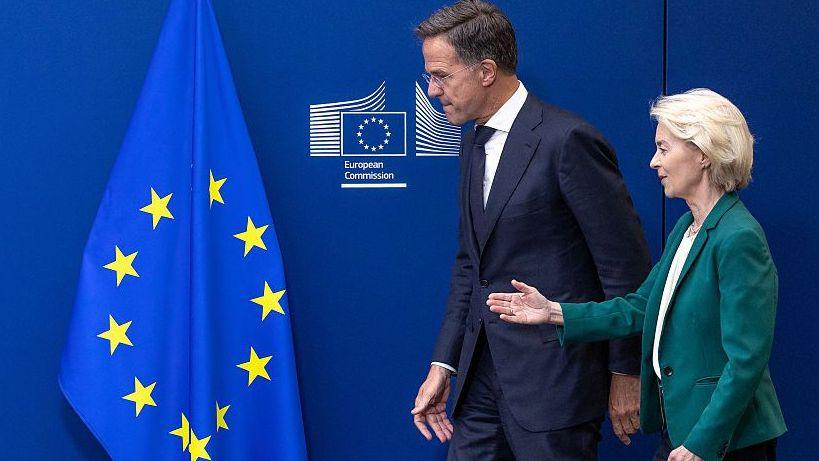
On the international side, the EU Commission praised Spain’s swift response but highlighted that Ceuta remains a “humanitarian emergency.” The migration commissioner said the EU should leverage visa policy and trade to secure cooperation from Morocco, after the Supreme Court ruled that people who cannot safely cross by sea cannot be immediately sent back to Morocco.
Meanwhile, social media chats are promoting a new wave of crossings. Moroccan outlets report that WhatsApp groups are still forming, hoping migrants can reach Spain. These calls are especially concerning after some EU members suspended Schengen cooperation with Spain and called for a temporary halt to its membership.
As the crisis continues, Ceuta’s residents feel “sad, helpless, anxious, fearful and worried,” Vivas said, and the city’s authorities are calling for solidarity from other Spanish cities to manage the surge.