In brief
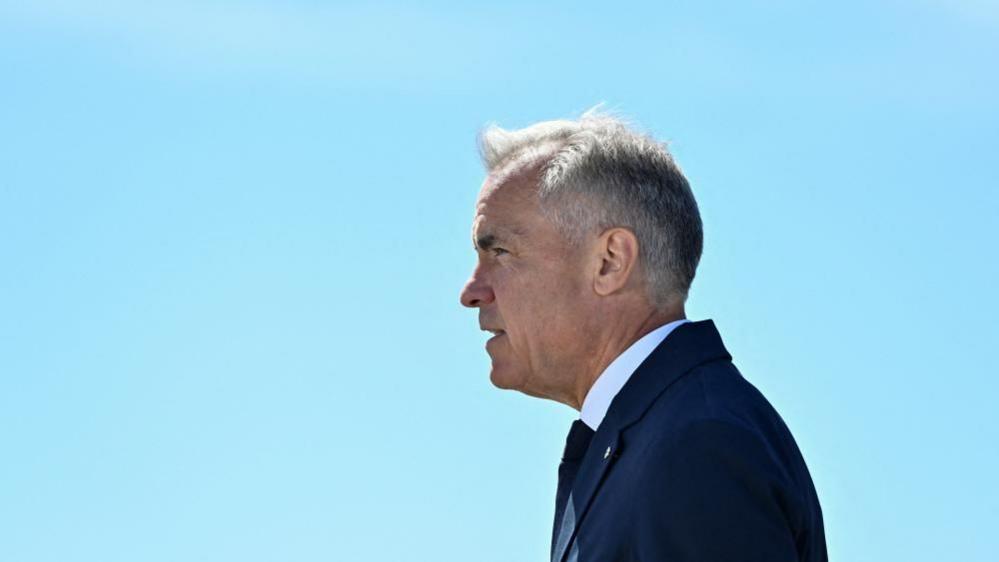
Prime Minister Mark Carney has pulled out of a tentative trade agreement with President Trump, putting Canada and the U.S. into a new trade standoff. The decision comes after U.S. tariffs rose and Canadian provinces banned U.S. spirits, hurting both sides economically. Carney’s withdrawal forces him to rally support for a bolder stance, as a survey shows 57 % of Canadians favour tough action. The next day, Carney will brief provinces on why standing firm will ultimately protect Canada’s industry.
Mark Carney pulls Canada off a Trump trade deal in a bold move that could reshape the economy
Canada and the United States—former partners in free trade—now face a trade war that’s harming businesses on both sides. Washington raises tariffs, while Ottawa in turn scatters US spirits from shelves.
Carney’s late‑night decision to walk away instead of accepting Trump’s last‑minute changes is a political cross‑road. The move cuts short a deal that seemed within reach and forces the Canadian government to justify the cost of a tariff‑versus‑tariff standoff.
In a survey, 36 % of Canadians said they would back retaliation, and 56 % voted for a hard line without concessions. These numbers show a public that’s ready to endure pain to win a fair trade agreement.
The boycott of U.S. alcohol is hurting the Canadian spirits export market; provinces have banned U.S. wine, cutting the industry by as much as 70 %. Meanwhile, U.S. businesses lost about C$3.3 bn ($2.35 bn) in travel revenue because Canadians are avoiding the U.S.
Provinces are divided. Ontario and Quebec haven’t confirmed whether they’ll restore U.S. booze to shelves, a key point of contention that could change the deal’s trajectory.
Political leaders weigh in: Conservative opposition leader Pierre Poilievre calls a one‑sided tariff deal a “bad deal”, while Ontario premier Doug Ford supports a “tariff for tariff” wait‑and‑see approach. Carney’s next briefing to provinces will set the tone for whether Canada steps up its economic defense.
Will the U.S. respond by pulling back, or will this dispute widen? Canadian voters and business leaders are watching closely—and the next week could set the direction for Canada’s trade future.