Al‑Mughayyir: A Village Under Siege
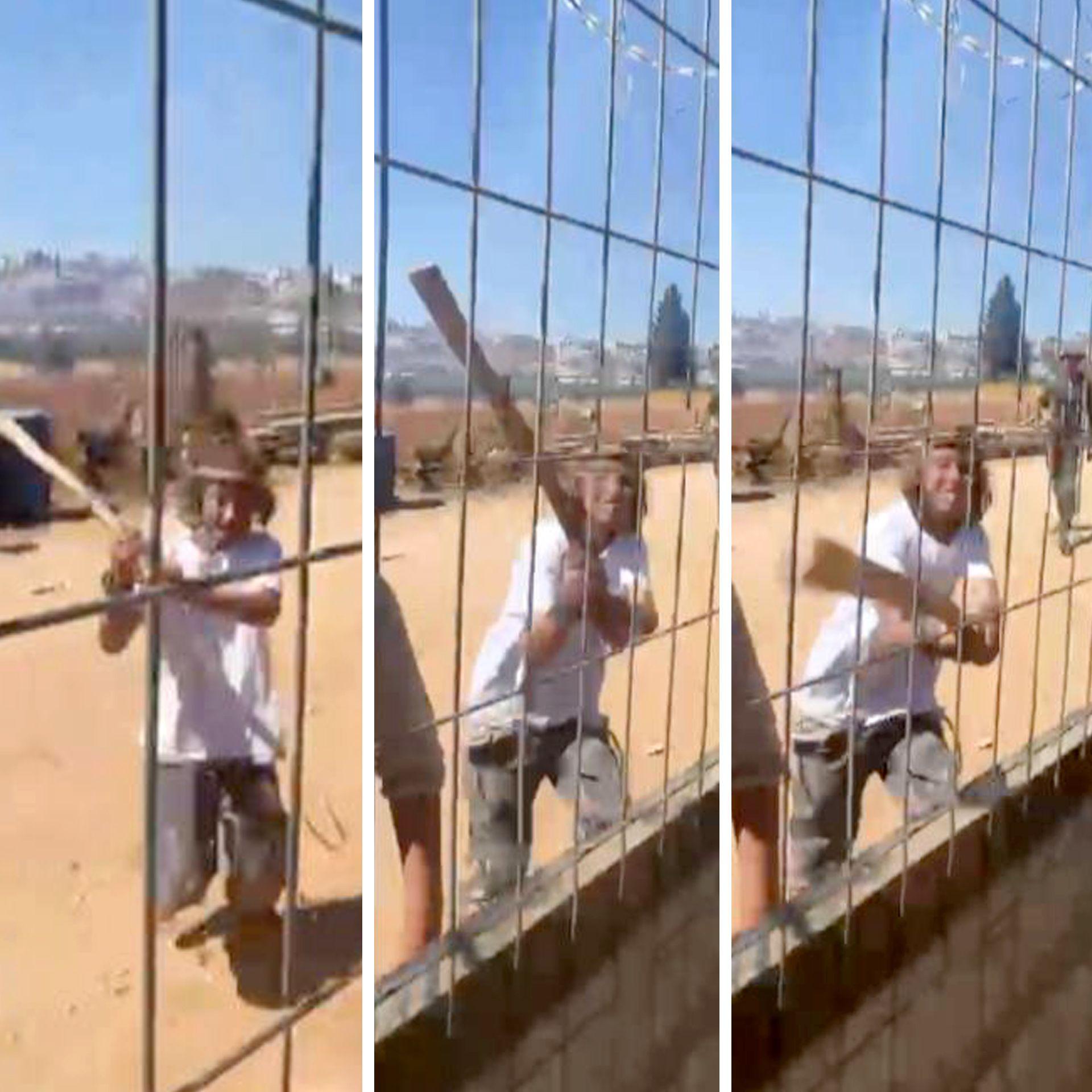
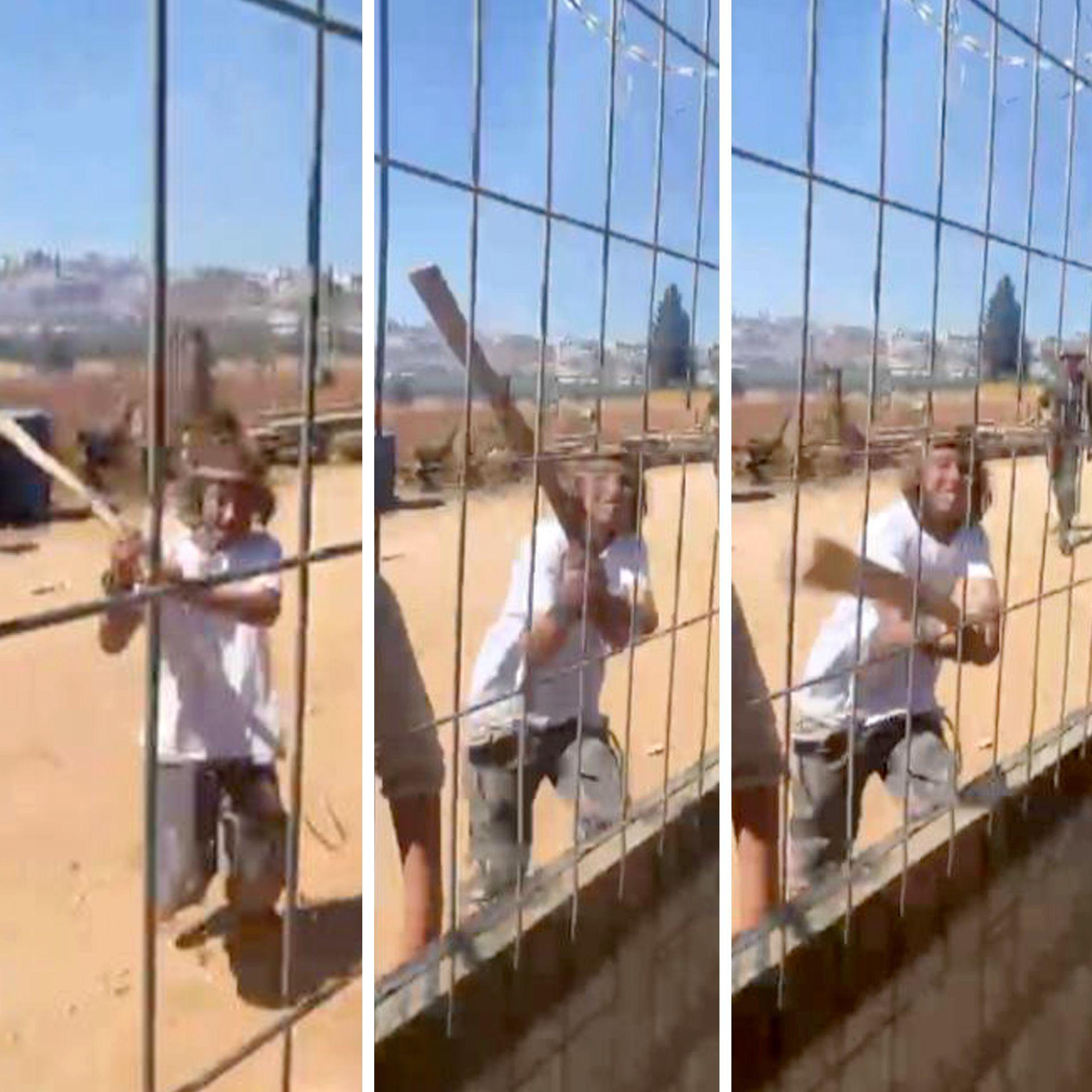
Al‑Mughayyir is a small Palestinian community situated near Ramallah. On 7 July 2026 the village’s Abu Alia house became the focus of a violent clash. A group of Israeli settlers, many teenagers, began pounding a heavy metal gate with clubs, then kept coming back repeatedly. The gate rang with metal bars each time the attackers struck.
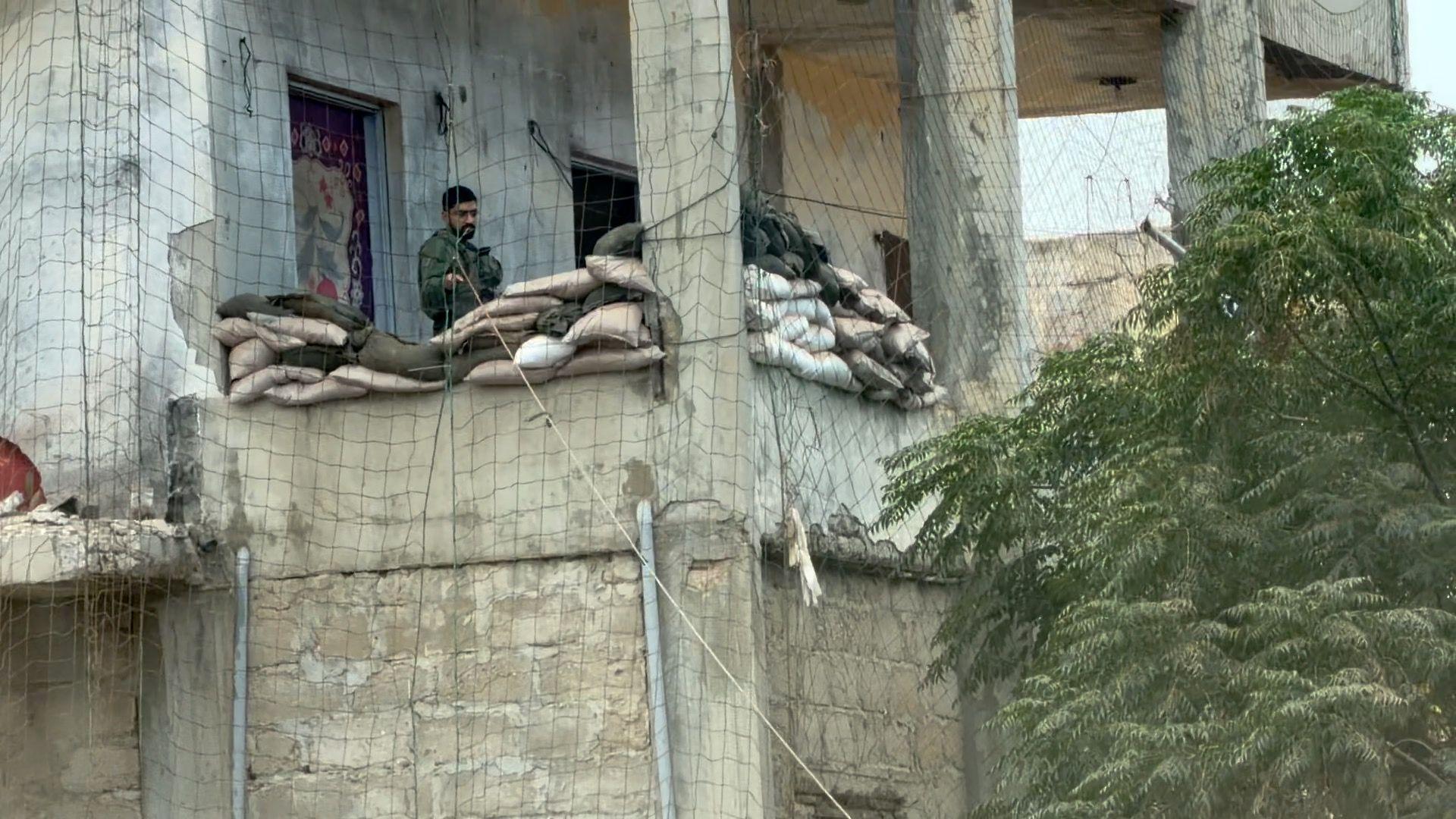
The assaults are part of a broader pattern. Settlers say they come in with Israeli army vehicles, and the soldiers simply watch as they pound houses, break fences, and shout insults. When soldiers try to intervene, they only guide the teenagers away without docking them or confiscating their weapons.
The Israeli Defence Forces released a brief statement saying they had entered the village “to search for suspects throwing stones” and “to detain one person.” They also claimed to be investigating claims of violence. In the week after the incident, the UN recorded 45 Palestinian injuries in the West Bank, including 12 children, with the number of settler‑related injuries rising to more than three per day now.
The weekly attacks came amid the rapid expansion of illegal settler outposts. The Israeli government has now counted 231 new outposts since December 2022, with the financial spend amounting to more than six billion shekels (over $6 billion). Some of these outposts keep villagers isolated by blocking roads, eroding access to farmland and turning place‑names into “settlements.”
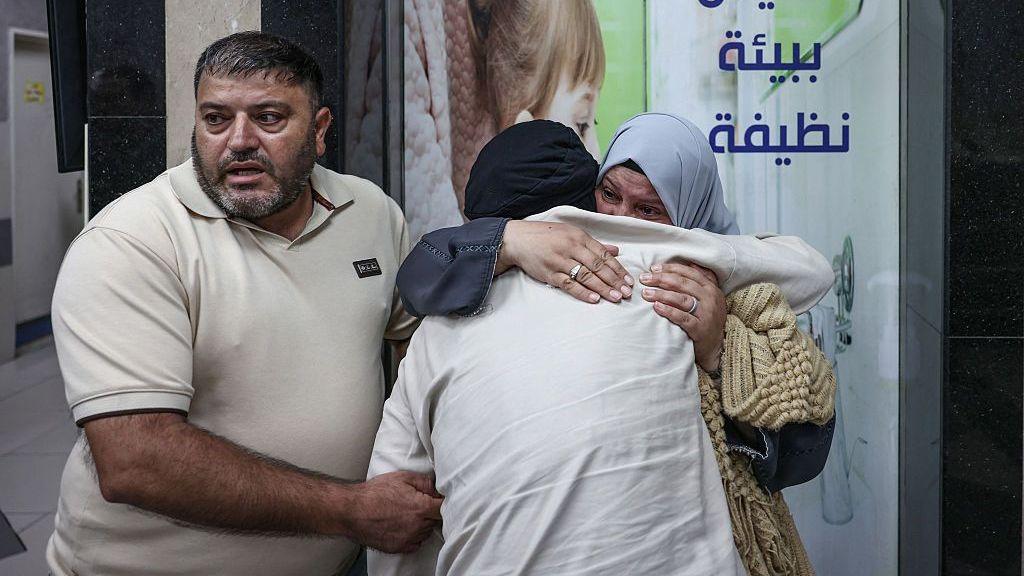
The violence took a human toll. Seventeen‑year‑old Fadi Hamdallah al‑Nassan was shot during a settler attack and died a week later. Two other Palestinians were killed in different attacks a few days later, lightening the truth that “roads closed, land taken, families broken” is becoming a routine weekend reality in the West Bank.
Within a short span of time, the government’s support for the outposts has turned the area into a “counter‑siren,” with many Palestinian homes and farms surrounded by settler camps and military vehicles, turning ordinary village life into a constant struggle for safety.