In brief
Milei’s austerity measures and small-government approach are fueling discussions among American leaders, but debate surrounds their relevancy.
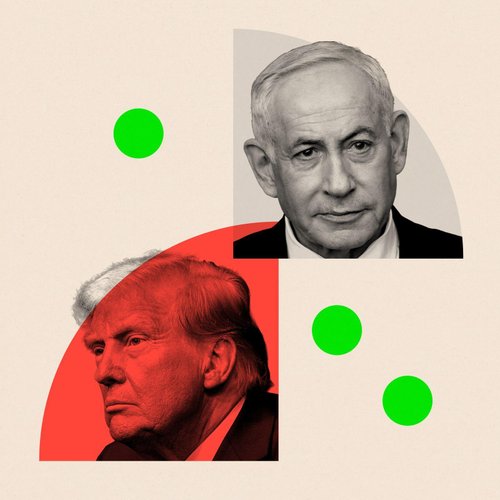
With one year under his belt, Argentina’s libertarian President Javier Milei is on a mission to reshape his country’s economy, and in doing so, may be impacting ideologies across borders. Milei, known for advocating significant cuts to state spending, has managed to maintain his popularity despite rising poverty rates. Current polling shows that over half of Argentines still support his administration, mirroring the backing for Donald Trump among American voters.Trump, who calls Milei the man to “make Argentina great again,” and tech billionaire Elon Musk have both lauded his leadership. Musk, involved in US government discussions, praises Milei for his strategies on deregulation, advocating to slice federal spending similarly to Milei’s recent initiatives in Argentina including drastic public service cuts and privatization of state-run sectors.However, experts are skeptical about the translatability of Milei’s methods to the US. Critics, like economist Monica de Bolle, emphasize that Argentina's unique struggles, marked by decades of mismanagement, may not apply to the US context. In a contentious political landscape, Milei is perceived as a divisive figure, with half of Argentina's populace skeptical of his extreme measures.As Milei’s government continues to take bold steps, including controversial plans for selling off national companies, the implications for both economies and global conservatives are vast. As the world watches, the outcomes of Milei’s presidency could influence broader discussions on governance, economics, and national identity in the US and beyond.