In brief
Will the upcoming presidential election reshape the future of global alliances and conflicts?
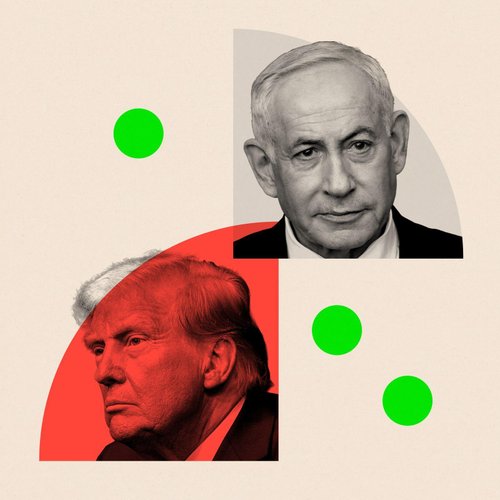
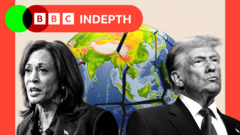
With the US presidential election just around the corner, global observers are keenly aware of the implications a shift in leadership could have on international relations. President Joe Biden's unannounced visit to Kyiv, amid air raid sirens, symbolized America's commitment to global leadership. The current election pits Vice President Kamala Harris against former President Donald Trump, each representing starkly different foreign policy approaches.Harris advocates for strong alliances like NATO and continued support for Ukraine, while Trump promotes an "America First" stance, going so far as to imply a possible withdrawal from NATO. Military expenditure reinforces US global influence, but with only 23 NATO members meeting the defense spending target, concerns linger. Experts suggest that regardless of the winner, pressure to find a resolution to the ongoing conflicts may intensify, especially as lawmakers grow wary of excessive foreign aid.The potential shifts are not just military; economic policies regarding China and environmental strategies in the face of climate change are also at the forefront. If Trump succeeds, we might see a rollback of international agreements and escalating trade tensions. Conversely, Harris could help maintain the current course, but her approach will be contingent on a potentially divided Congress.Critics of both candidates express urgency for the US to reclaim its moral authority amidst rising global tensions. The decisions made in the upcoming election could define the United States' role in crucial humanitarian issues and international crises, such as the situation in Gaza and humanitarian needs worldwide. As both candidates prepare for what lies ahead, the stakes couldn't be higher for not just America but the entire world.