In brief
From his struggles in real estate to being a vocal critic of trade policies, Donald Trump's fixation on tariffs began during the Japanese economic boom. Here's how that history affects current trade relations.
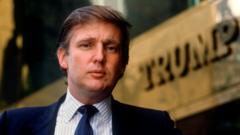
In the late 1980s, a younger Donald Trump faced financial challenges and sought to engage with Japan's wealthy elite. During a time when Japanese investments were buying iconic American properties, Trump formed a resentment towards this dynamic. Barbara Res, a former executive at the Trump Organization, noted that Trump's jealousy spurred his views on trade and America's role in supporting Japan’s economy without reciprocation.Back in the late '80s, Trump expressed his frustrations on platforms like CNN and The Oprah Show, claiming unfair practices by Japan, which he accused of "dumping" products into the U.S. market while hindering American businesses in return. According to historian Jennifer Miller, Trump's sentiments resonated with many Americans, as Japan threatened U.S. manufacturing dominance, particularly in sectors like electronics and automobiles.His response was to advocate for tariffs on wealthy nations, believing they would pressure allies to contribute fairly to U.S. defense costs. This philosophy was solidified through his full-page newspaper ads, laying the groundwork for his future foreign policy views.Even as Japan's economic threat diminished over the years, the fixation on tariffs persisted. Modern analysts, like economist Michael Strain, indicate that while Trump's trade views challenge decades of Republican free trade policies, not all lawmakers and business leaders are convinced. Joseph LaVorgna, another economist, emphasizes that tariffs are part of Trump's broader strategy to boost domestic high-tech manufacturing.Today, Trump continues to champion tariffs as a means to create a "level playing field," expecting them to galvanize the U.S. economy. However, as tensions rise and potential consequences emerge, many are left contemplating the impacts of these aggressive trade tactics on international alliances and domestic markets.