In brief
After voting ended across New Zealand, the first 27.4 % of ballots were counted and ranked the centre‑right National Party and the opposition Labour Party almost level, each trailing just under 30 % of support. The Electoral Commission will release complete results on 27 November, a close finish that will decide the next government. The final vote split will shape the country’s policy path on questions ranging from the economy to climate action.
Voting closed in New Zealand on 7 November 2026, with early returns showing the National and Labour parties almost tied, each just under 30 % of the vote as first‑count figures rose to 27.4 %.
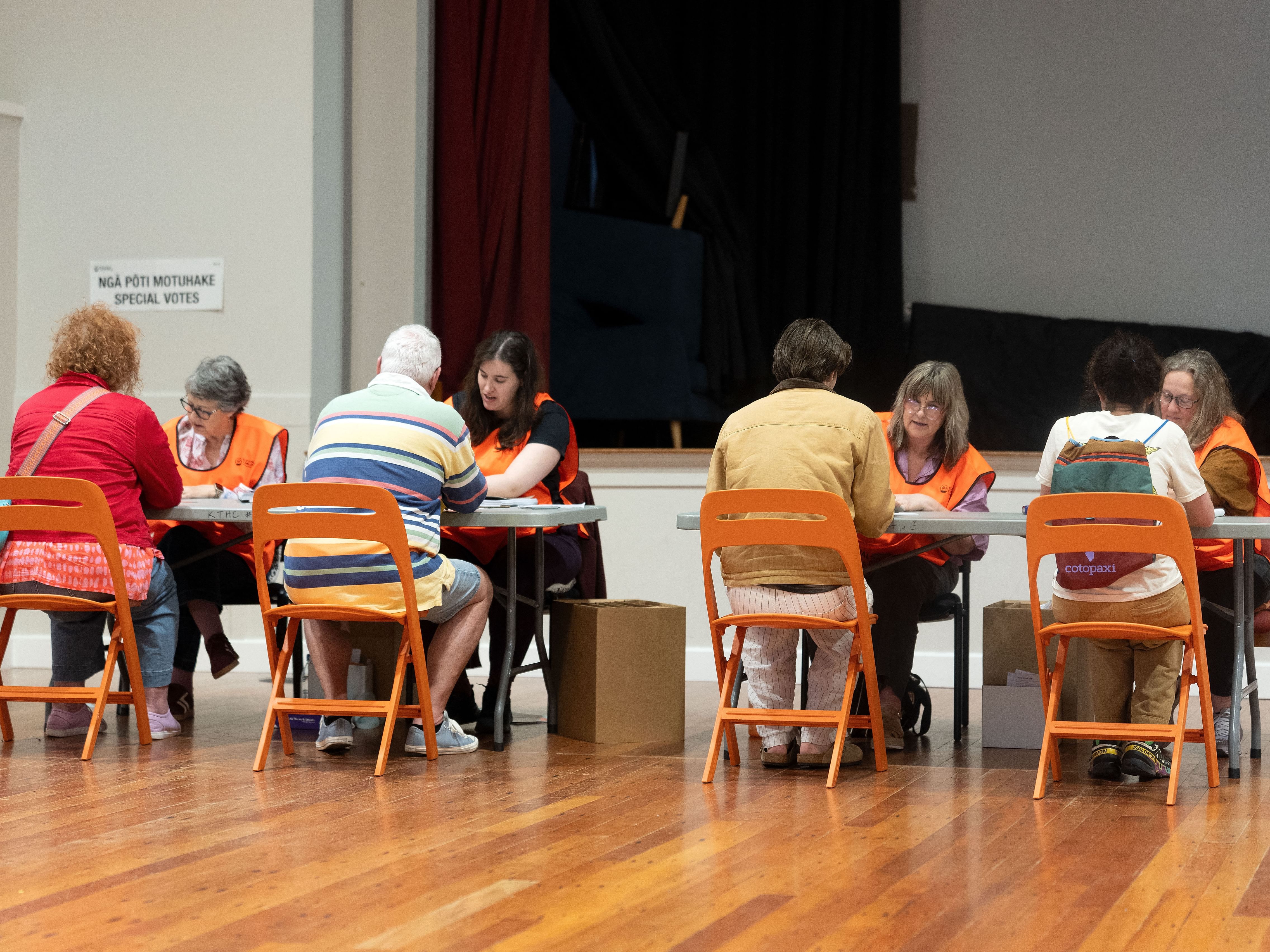
Polling stations shut across the nation as citizens finished casting ballots for the 2026 general election, a process that will determine the next governing coalition.
The Electoral Commission released the first snapshot of the results, revealing both parties hovering just short of 30 % of the popular vote.
Only a few thousand votes separate National and Labour, indicating the election is a competitive race for a tight margin of influence in Parliament.
With the top seats still undecided, the next political stage will involve negotiations or a coalition to secure a majority.
Voters who chose independent or third‑party options are also key, as their transfers could tilt the balance of power.
Policy areas at stake include economic reform, housing, and environmental sustainability, all of which will shape New Zealand’s future direction.
Observers note that the timing of the full results on 27 November will set the stage for a potentially short campaign to confirm a government majority.
Political analysts stress that a narrow margin leaves little room for error in Parliament’s decision‑making process.
The final outcome will determine which party leads the next government and how it will implement its agenda for the coming years.