In brief
In November, Latvia will assume the rotating presidency of the UN Security Council and place artificial intelligence at the center of its agenda. A high‑level debate on conflict resolution in the age of rapid tech change is scheduled for Nov. 24. While the council will not set global AI rules, it will convene an informal expert group and bring tech‑industry voices to the table.
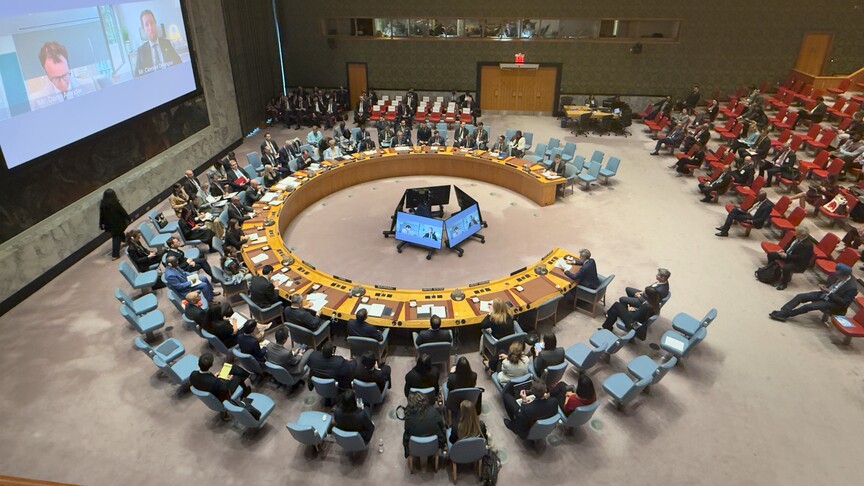
The United Nations Security Council will set its November agenda around artificial intelligence as Latvia takes on its first rotating presidency.
Latvia’s permanent representative to the UN, Sanita Pavluta‑Deslandes, said the council will keep emerging technologies on its agenda.
"We believe that the issue of emerging technologies, including artificial intelligence, and their impact on peace and security, is a topic that will stay on the council's agenda," noted Pavluta‑Deslandes.
The council’s flagship event on Nov. 24 will be an open debate titled "Conflict resolution in an era of rapid technological change."
Speakers will review how new tools could help or harm civilians, peacekeepers, humanitarian workers and journalists.
Council members will hear briefings from tech‑industry representatives and AI firms.
The council will not attempt to create global AI regulatory rules, a task for the General Assembly, Pavluta‑Deslandes said.
A new Informal Expert Group on emerging threats will meet for the first time later this month, formed with Greece and joined by 10 members.
Latvia’s presidency runs on the back of its November independence celebrations, marking 108 years since the 1918 declaration.
Meanwhile, Turkey has formally submitted its candidate for UN secretary‑general; Ambassador Feridun Sinirlioglu’s name has been circulated, and straw polls on the nomination will take place in November.