In brief
In a shocking rise in pollution levels, Delhi's air quality has reached its worst, leaving residents gasping for clean air and government scrambling to implement urgent measures.
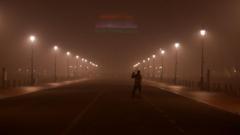
Delhi is choking under thick smog as air pollution levels soar to alarming highs, recorded at a staggering 1,500 on the Air Quality Index (AQI) – 15 times the WHO's recommended safety level. City officials have classified the air quality as "severe plus," with measures including school closures, a ban on construction, and restricting non-essential truck traffic. The situation is dire, impacting flight schedules and prompting a push for employees to work from home. As winter settles in, recurrent air quality issues haunt Delhi, exacerbated by factors like stubble burning from nearby states, increasing vehicular emissions, and low temperatures. Delhi's Chief Minister has declared a health crisis, blaming neighboring states for ongoing stubble burning while the ruling party points fingers back at the city government’s response. Residents are feeling the effects firsthand; many are posting their struggles on social media, expressing their concerns over harmful air quality that feels “lethally toxic.” With widespread protests being called for, the city faces a critical moment to address its persistent pollution challenges and safeguard residents’ health. Will stronger measures be enough to ensure cleaner air?