In brief
As trade tensions rise, the U.S. could soon see reciprocal tariffs affecting countries that impose import taxes on American goods.
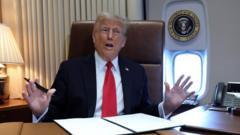
Trump has just revealed plans to impose a hefty 25% import tax on all steel and aluminum coming into the United States, primarily impacting Canada, which is a major supplier. During his travels from Mar-a-Lago, Trump stated he would announce even more tariffs later in the week for any countries imposing taxes on U.S. imports, emphasizing a tit-for-tat approach. Canada and Mexico are significant players in the U.S. steel trade, with Canada also being the leading aluminum supplier. Previously, Trump established similar tariffs during his first term, which were lifted in 2020 for Canada and Mexico but remained for the EU. While flying on Air Force One, Trump stressed that “Any steel coming into the United States is going to have a 25% tariff,” hinting at broadening his trade policy, which may lead to a potential trade war. His remarks prompted immediate reactions, like Ontario Premier Doug Ford criticizing Trump for economic risk through his constant policy shifts. Tariffs are a key strategy for Trump, meant to enhance the U.S. economy, create jobs, and increase tax revenue. Just recently, he hinted at imposing a 25% tariff on goods from Canada and Mexico, although he delayed this plan after discussions with their leaders. Trump intends to unveil more reciprocal tariffs soon, aiming to hit back at nations capitalizing on U.S. trade practices. He framed it as a beneficial move for all involved, promising quick implementation of these new duties. In other news, Trump also conducted a ceremonial proclamation on the "Gulf of America" day and mentioned a future meeting with Russian President Vladimir Putin, maintaining an air of unpredictability typical of his administration.