In brief
Denmark, once seen as a liberal haven, is now embracing strict immigration policies led by the left, showcasing a unique political evolution amid Europe's migration crisis.
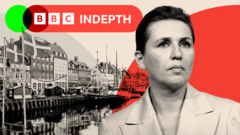
Denmark is surprising many by taking a strong stance on immigration, often perceived as a liberal nation. The country is now considered a "pioneer in restrictive migration policies” in Europe according to experts. In sharp contrast to the common belief that far-right politicians drive hardline immigration measures, the Danish government's shifts come largely from centre-left leaders, particularly under Prime Minister Mette Frederiksen.As concerns around migration surge across Europe, Denmark's political landscape has evolved, especially after the 2015 refugee crisis. The population of immigrants and their families has dramatically increased over the decades, prompting a societal backlash. Hardline policies like confiscating valuables from asylum seekers and the celebration of strict immigration amendments have drawn international attention. Local mayors have expressed concerns about an influx of migrants affecting public resources, contributing to a "hostile environment" for those arriving in the country. Denmark is even advocating for processing asylum seekers outside Europe, a shift highlighted by plans to resettle refugees in countries like Rwanda. Frederiksen’s Social Democrats have adopted right-leaning immigration policies, prioritizing the welfare of Danish citizens.Critics argue that these measures have tarnished Denmark's commitment to humanitarian values, creating a narrative that alienates those from migrant backgrounds. Meanwhile, Spain's centre-left government adopts a contrasting approach, pushing for more inclusive immigration to address labor shortages while facing its own migration challenges.As migration debates intensify, the political divide between countries like Denmark and Spain may serve as a lesson in finding a balance between societal needs and humanitarian responsibilities.