In brief
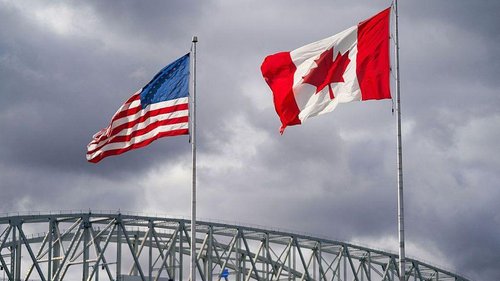
As former President Donald Trump takes office again, Taiwan is preparing for a potential strain in U.S.-Taiwan relations.
In 2016, after Trump’s election, Taiwan's president reached out to congratulate him, marking a significant moment in U.S.-Taiwan relations. However, this time, Taiwan's current leader, Lai Ching-te, is reportedly not seeking a similar phone call. This change reflects a growing anxiety in Taiwan regarding Trump's return to power. During the campaign, Trump criticized Taiwan for not adequately funding its own defense against China and expressed concerns over the island's dominance in the semiconductor market, suggesting it “steals” American business. “There's more anxiety this time,” noted Chen Ming-chi, a former senior advisor at Taiwan’s National Security Council. His remarks highlight a shift in Taiwan's diplomatic approach, signaling a more cautious stance. Instead of expecting a congratulatory call, Taiwan is prepared for a reality where it may need to navigate a more complex, possibly confrontational relationship with the U.S. Tensions with Beijing are already high, exacerbated by Chinese military exercises near Taiwan. Any overture from Trump could provoke a strong reaction from China, which does not recognize Taiwan as an independent entity and often reacts to Taiwan’s assertions of sovereignty.