In brief
Three South Korean troops were injured by explosions on the DMZ on 21 September, and Seoul calls them ‘highly likely’ to be from North‑Korean mines. South Korea says the blasts violate the 1953 armistice and demanded an apology from Pyongyang. North Korea denies responsibility, branding Seoul’s claims a farce, and the UN Command noted it would address the breach through established mechanisms. Tensions in the DMZ have a long history, with previous mine incidents in 2015 and sporadic clashes continuing for decades.
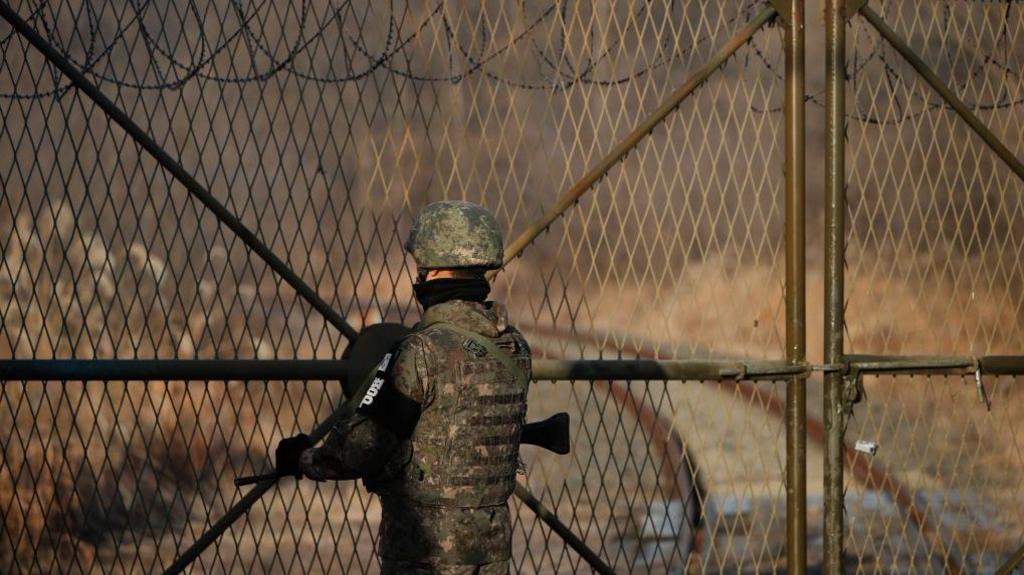
Three South Korean military personnel were wounded on 21 September when landmine blasts detonated on the South’s side of the Korean DMZ.
South Korean officials say the mines were almost certainly laid by North Korea, calling the incident a clear breach of the 1953 armistice that ended active hostilities.
In response, the South demanded an apology from Pyongyang and vowed to take “corresponding measures.” North Korea rejected the charge, describing Seoul’s claim as a farce and accusing the South of political provocation.
Kim Yo Jong, Kim Jong‑Un’s sister and a key figure in the North’s leadership, warned the South that it could face “the price for its own farce.”
The UN Command, which helped investigate the blasts, said it would address the violation through established armistice mechanisms and reaffirmed its commitment to prevent further escalation.
The DMZ, 4 km wide, has been the site of sporadic clashes and mine incidents for decades—most notably in 2015 when two South Korean soldiers were severely injured by mines North Korea denied planting.