In brief
Nigeria’s rivers are witness to a steady stream of deadly boat disasters, each more heart‑breaking than the last. The pattern of overcrowding, unsafe wooden vessels and a chronic shortage of life jackets keeps people in danger. When new rules are announced, the gaps in enforcement and resources mean they rarely change lives. On the bright side, Lagos has made strides, showing that better design, regulation and community training can save lives.
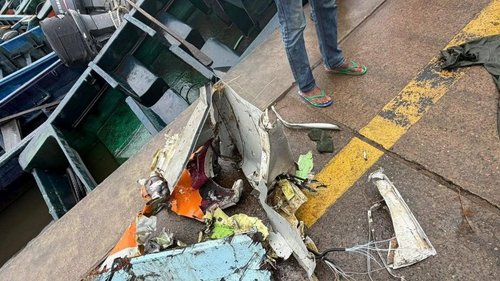
Every month Nigerians hear another tragic story—boats that are too crowded or too old have capsized, wiping out dozens of lives. The latest incident in Jigawa state saw a wooden canoe carrying 40 people sink, leaving 23 survivors and 7 bodies recovered from a river that’s often only a handful of metres wide.
But this is not a one‑off disaster. In 2024 alone, only 1 person died on Lagos’s waterways, a dramatic drop from 92 deaths between 2018‑2023. Why Lagos is different? It turned out the answer lies in four basic rules: new, safe boats; plenty of life jackets; trained water guards on every pier; and clear licensing for boat operators.
Back in the heartland, however, people still risk life and limb. Overcrowding, poor condition, and a shortage of life jackets are the three driving factors that make river travel treacherous. According to the Water Transport Code—signed into law in 2023—every passenger on a large body of water must wear a jacket, yet many boats can carry 100 people while only providing a handful of jackets. Boat operators, many of whom are not licensed, don’t know how to gauge river currents or no‑go areas, and the government keeps flaking on promised supplies.
“The law is only as good as its enforcement,” says safety expert Timothy Iwuagwu. He argues that training is essential: boat people must understand how to navigate, lock vessels appropriately, and spot submerged tree stumps that frequently cause capsizes.
Lagos’s success shows that change is possible. Local administrators deployed life jackets, modernised boats, dredged the waterways, and installed guards to supervise boarding. The result? From over 90 deaths in a five‑year span to just one in 2024 and none so far in 2025.
That model is not yet nationwide – the need for new boats, better enforcement, and community education remains huge. But the key takeaway is this: when people are given the right tools and regulations are genuinely checked, tragedies can be avoided. Nigeria now has a chance to stop the sad cycle – it just needs the will to act on it.