In brief
The White House pulled down the Tetris‑style game "Build The Wall" a few days after The Tetris Company challenged its use of the classic block‑stacking style. The game was part of an arcade section that also featured titles like "Flappy Bill" and "Rio Run", which mix politics and gaming. Critics say the mash‑up of political imagery and game mechanics has sparked copyright disputes and political backlash. The Tetris Company has a history of suing over similar IP infringements, and it stopped the game in a single takedown step, leaving only the other games online.
White House pulls down a Tetris‑inspired mini‑game
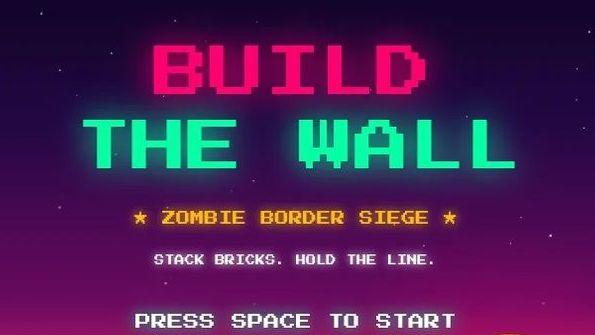
The U.S. White House website took down a "Build The Wall" arcade game that resembled the famous Tetris block‑stacking mechanic, after The Tetris Company flagged the design as a copyright violation.
Players had stacked neon blocks to build a wall and keep the border safe, a game that quickly grew viral thanks to its playful politics. However, the company that owns the Tetris trademark kindly (and legally) sent a notice, saying the game was not authorized and it takes copyright infringement seriously.
Following the complaint, the White House removed the game overnight, but five other mini‑games – including "Flappy Bill", a Flappy Bird parody that shows a bald eagle dodging national landmarks, and "Rio Run", a Snake‑like beat‑the‑line game that spots deportees – remain.
While there has been no public statement from a White House spokesperson, the incident highlights a trend of blending political messaging with video game culture on social media. It also reminds hobbyists that even a small, seemingly harmless game can still run into intellectual‑property law.
For game‑makers and fans alike, the removal offers a bold lesson: keep an eye on trademarks if you’re copying classic gameplay. And for politicos on the Web, remember that mixing pixelated monsters with serious political slogans can lead to unexpected scrutiny.