A Blue Mosque Meets a Quiet Seaside Town
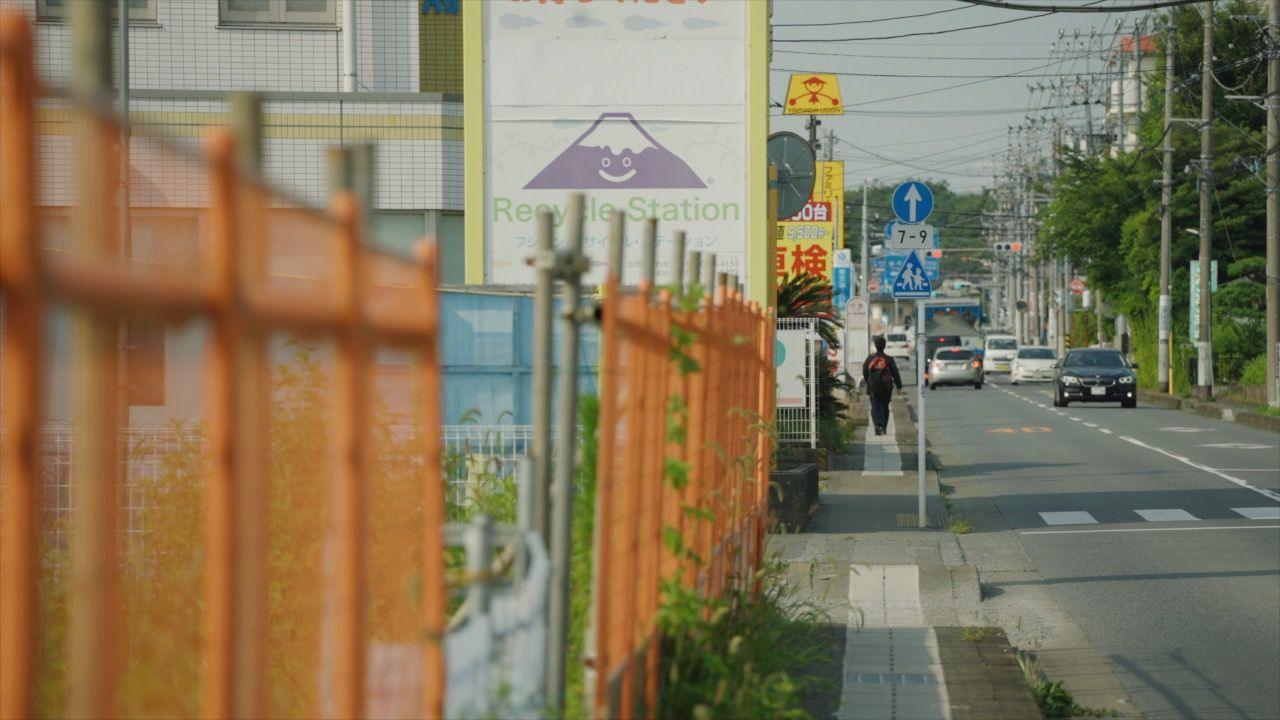
A patch of grass beside a road in Fujisawa will soon be replaced by a mosque. Yet this much‑anticipated building isn’t just a place of worship—it’s a flashpoint for how a relaxed Japanese town will feel it after ten years of population decline and a growing wave of foreign workers.
Long‑time resident Noriko Izumizawa worries that the new mosque will “change the way our community feels.” Her concern echoes the mixed emotions that surged when thousands protested next to the train station, demanding the site be taken away. Some say the mosque will be larger than the nearby Shinto shrine and therefore disrespectful. Hate messages have even spread on social media, prompting counter‑protests by groups demanding “no hate.”
On the other side, voices like Hiroki Suzuka, who runs a coffee shop opposite the building, call for conversation. “We need to understand, learn about Islam and its people, and then open our minds,” he says.
Beyond Fujisawa: The Bigger Picture
Japan has seen its Muslim population rise from 230,000 in 2019 to about 420,000 in 2025, with foreign residents from China, Vietnam, Korea and the Philippines now over four million. The government’s new visa‑fee hike and future limits on foreign workers reflect a cautious stance on immigration, yet the streets of Fujisawa and Osaka show a wariness that can be traced to global anxieties over cultural change.
Both leaders and ordinary citizens are debating how Japan can stay safe and solid yet also embrace a world that is diversifying from inside out.
Article translated by Chie Kobayashi.