In brief
Greenland’s latest reports on a decades‑old forced contraception program have left the country split over whether the policy amounted to genocide. Two expert panels released conflicting conclusions, but both agree the program violated Inuit women’s rights. Denmark has issued an apology and is offering payments to affected women. The program, which saw 4,500 women receive IUDs without consent, dramatically lowered fertility rates. The verdict will shape how history remembers colonial policies in Greenland.
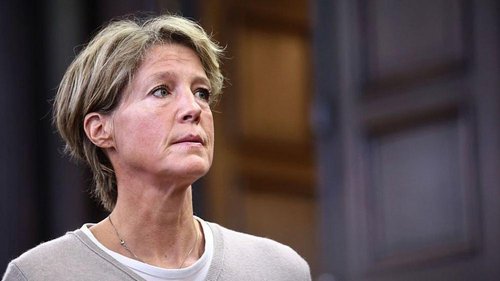
Greenland’s justice minister, Marianne Paviasen, told reporters that the government can’t say whether forced contraception was genocide. This comment comes after two expert reports were released last week that offer opposing conclusions.
‘We cannot say, on behalf of the government, whether there was genocide,’ Paviasen told reporters. “This is something we can continue to debate.” The debate follows Denmark’s apology for the program that saw thousands of Inuit women, some as young as 13, receive intra‑uterine devices (IUDs) without consent in the 1960s and 70s.
The two reports were released a year after Denmark apologized for the treatment of Inuit women and girls in its autonomous territory. Denmark has now passed a compensation law that will pay 300,000 Danish crowns ($46,800) to each woman who was affected by the policy.
Records show that between 1966 and 1970, about 4,500 Greenlandic women and girls had IUDs inserted under a birth‑control programme administered by Danish doctors. Many women later claimed they were fitted with the device without knowledge or consent.
The programme was so widespread that Greenland’s population growth dramatically slowed. Fertility fell from seven children per woman to 2.3 over eight years.
A former Greenland prime minister described the practice as “genocide.” The UN Convention on the Prevention and Punishment of the Crime of Genocide defines genocide to include “imposing measures intended to prevent births” within a national, ethnic, racial or religious group.
“It was a very inhumane act,” said Inger Platou, a 70‑year‑old victim who was told a minor operation would fit an IUD without her consent. “We were treated like animals.”
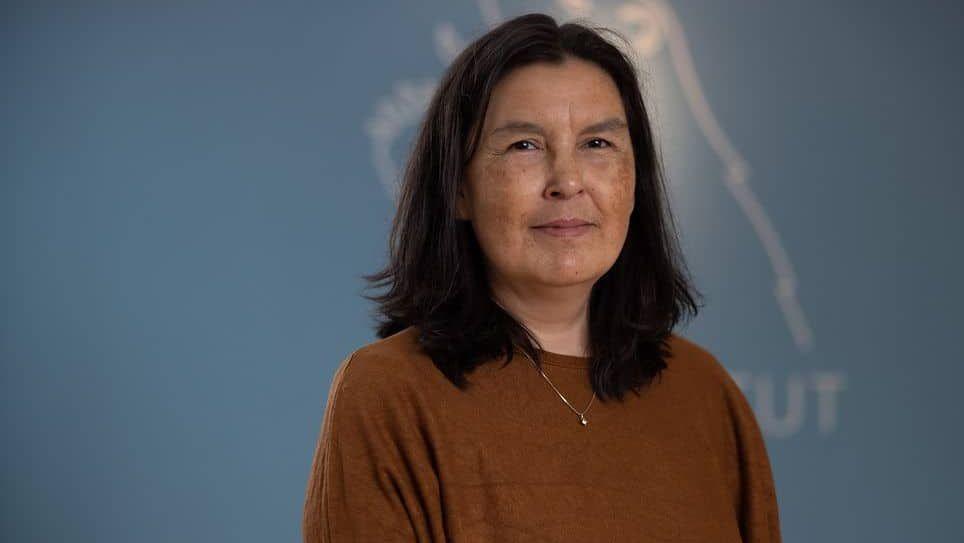
The panel that remained—led by Alaskan lawyer Dalee Sambo Dorough and Copenhagen law professor Miriam Cullen—concluded that the rights of Inuit women were violated, but they could not confirm genocide based solely on contraceptive practices.
The rival report, produced by former Danish Institute for Human Rights head Jonas Christoffersen and psychologist Jensine Nedergaard, found no evidence of intent to destroy the population.
Greenland’s justice minister noted the reports are so different that “one says there was no genocide at all while the other says there could have been.”
Denmark’s Prime Minister Mette Frederiksen promised to work with Greenland to find a path forward, following Greenland’s Prime Minister Jens‑Frederik Nielsen’s plan to set up a reconciliation commission.
Greenland was a Danish colony until 1953 and gained home rule in 1979. Copenhagen controlled healthcare until 1992. Today, 90% of the island’s 56,000 inhabitants are Inuit.
The birth‑control campaign was designed to curb a booming population—thanks to modernised healthcare and lower infant mortality—yet it also raised concerns about teenage pregnancies. Its “success” was measured by fertility rates, which dropped sharply during the campaign.