In brief
L’Oréal’s global sales climbed 7.7% in the first nine months of the year, but the company notes a growing shift in consumer behavior driven by GLP‑1 weight‑loss medications. The injectable drugs, originally for diabetes, have become popular for rapid fat loss, leaving users with loose skin and altered facial elasticity. L’Oréal is responding by developing targeted anti‑sagging creams and partnering with dermatology firm Galderma to test new solutions. The company’s moves signal a broader trend in the beauty sector to address the side effects of modern obesity treatments.
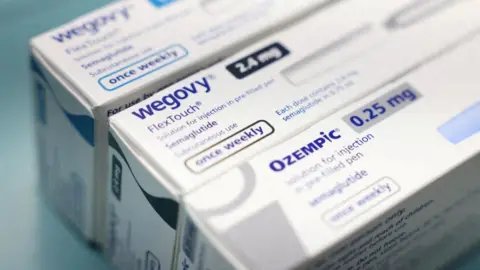
L’Oreal says the rise of GLP‑1 weight‑loss drugs is reshaping beauty and skin care demand. The company’s chief, Nicolas Hieronimus, highlighted that the popularity of drugs such as Ozempic, Wegovy and Mounjaro is a “very important phenomenon” for the market.
He told investors the surge in GLP‑1 use has impacted skin care consumption specifically.
Despite a challenging global backdrop, the conglomerate’s sales in the first three months of September grew 7.7% year‑on‑year, beating analysts.
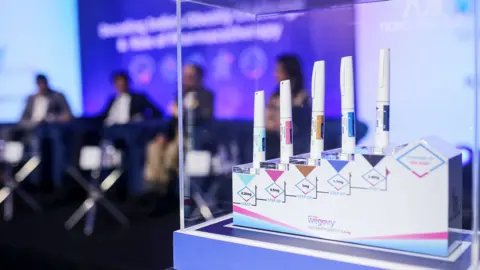
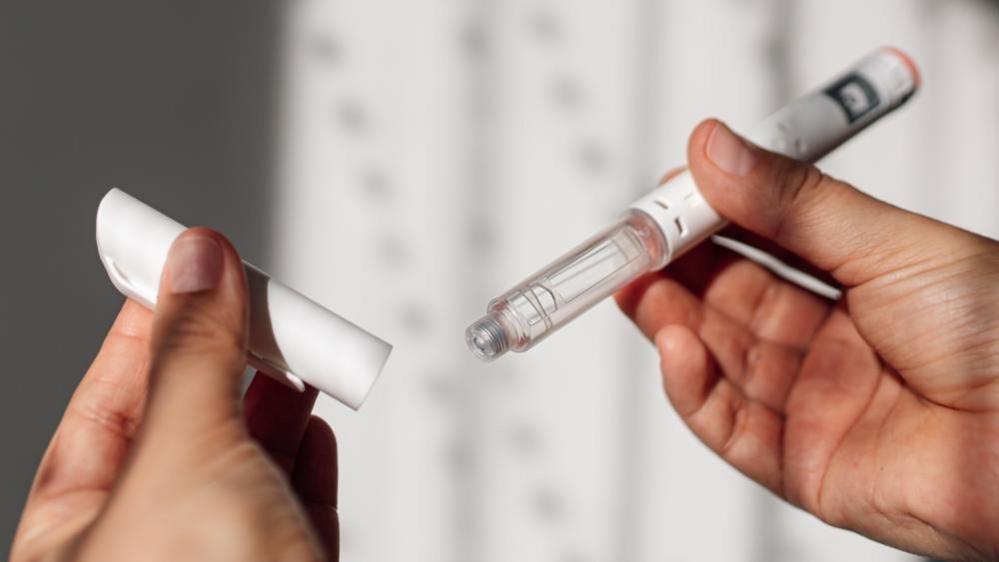
GLP‑1s were first developed to treat diabetes but are now widely used for weight loss because they suppress appetite. Rapid fat loss can lead to loose skin, especially around the face.
To address this, L’Oreal has launched products from SkinCeuticals and Kiehl’s designed to support skin firmness and counter the effects of sudden weight changes.
The company also increased its stake in dermatology firm Galderma to 20% last December, expanding its presence in the aesthetic sector.
Both firms have run clinical trials testing their approach on GLP‑1 users concerned about loose skin.
Galderma’s portfolio includes injectables like Sculptra and Restylane that stimulate collagen production and fill lines. Last year, Galderma released a report highlighting concerns about how GLP‑1 use can alter facial appearance, with most users noting visible changes after beginning treatment.