In brief
Viet Nam’s police have seized over 23,000 counterfeit slippers and dozens of fake luxury goods in Ho Chi Minh City, sending a clear signal that the blackmarket is coming to an end. The move comes after the U.S. designated Viet Nam a top IP‑rights offender, prompting tighter enforcement and a campaign to lift the country’s reputation. Yet, market stalls remain stubborn: local vendors still sell knockoffs at low prices, and many consumers welcome them. Behind the crackdown sits a complex web of overseas factories, cheap labor, and a huge demand for affordable designer knock‑offs.
What’s the business behind fake fakes?
In Saigon later in 2023, police raided two plain‑sight warehouses and seized 23,000 pairs of counterfeit slippers stamped with Nike, Adidas, Crocs and Gucci logos. The night‑time stash was worth about 2bn VND (roughly $76,000). In very close proximity, a market sells the same knock‑off shoes for just $30, compared with $900 for the authentic model.
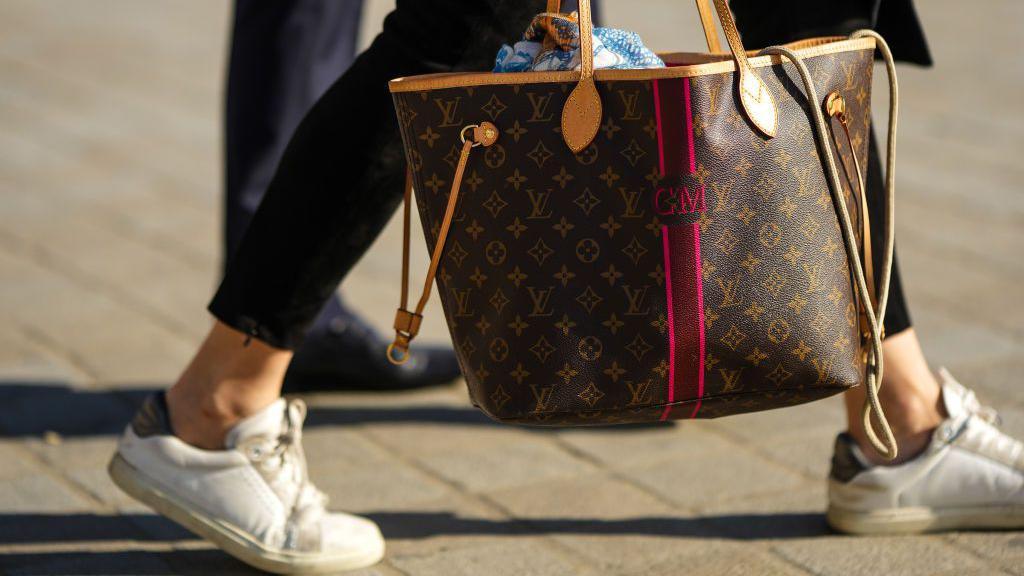
Vietnam has long been known as a global center for knock‑copy designer goods: fake Chanel bags, Prada shirts and Rolex watches appear side by side in bustling bazaars. That reputation began to flag under international pressure when the U.S. became more strict on IP enforcement.
A crackdown that promises change
In May, the government set a new nationwide drive: seize 20% more counterfeit goods than last year and fine offenders over $19,000 in a single swing. The focus shifted from the usual high‑value luxury items to the everyday sneakers, t‑shirts and sandals that generate steady street sales. Police stormed warehouses, clothing stores and sneaker shops in Hanoi and Ho Chi Minh. And on 10 June, a scandal in Thanh Hoa highlighted a ring that sold 10,000 fake jewellery pieces worth around $1.1m.
Many street vendors, like Thanh Truc, admit that the raids scare them but don’t stop their operations. They still keep back‑stock of brand‑label names for quick sale. “When inspectors come the shops go quiet for a moment, but the business is still alive,” she says.
The cost to consumer
With most villagers earning less than $225 per month, fake goods offer a realistic alternative. Thi Thanh Huong Tran, a professor in business economics, argues that low‑income shoppers view knock‑offs as a sensible way to experience brand fashion. She explains that prices remain low, albeit risking consumer confusion when a real designer product might be out of reach.
The crackdowns face skepticism: vendors will re‑package items to avoid IP laws or shift their market to tourist hot spots. “No matter how you regulate, the demand will never vanish,” Tran says.
What this means for next‑gen shoppers
For teens who want to be “on‑trend” without breaking the bank, counterfeit brands still hold appeal. Yet, the crackdown aims to re‑educate buyers to keep the line between legitimate products and copies. If the police keep up, the black‑market will shrink, but the market’s tough niche remains for a long time.