In brief
Ukrainian drone strikes have targeted Russian tanker traffic in the Sea of Azov, setting 25-36 ships ablaze in a single week. Commander Robert Brovdi reports that the tankers carried over 7,000 tons of fuel to Crimea, cutting a vital maritime supply route. The attacks coincide with widespread fuel shortages across Russian regions, sparking rationing and growing panic among civilians. Russian official statements claim that the Black Sea fleet is unable to defend the coast, while Ukrainian leadership frames the strikes as a necessary counter‑measure against Moscow’s aggression.
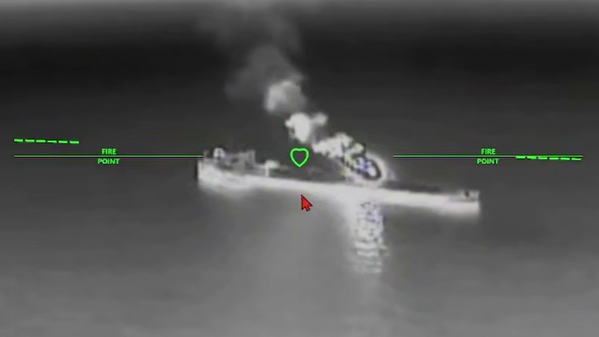
Ukrainian forces have launched a series of drone attacks on Russian tanker traffic in the Sea of Azov, igniting or damaging 25‑36 vessels in a single week. Those strikes, directed by commander Robert Brovdi—aka “Magyar”—began on 6 July, as the ships carried more than 7,000 t of fuel from Taganrog to Crimea.
The hit ships were part of the so‑called “shadow fleet,” a commercial tanker operation deemed critical for supplying the Russian‑occupied peninsula. With the sea route cut, Dmitry Putin’s promise of steady fuel deliveries is at risk.
Meanwhile, nationwide fuel shortages have hit Russia hard—80 % of regions face rationing, diesel exports are banned, and queues line up at gas stations in Moscow and St Petersburg. Ukrainian President Volodymyr Zelenskiy argues the attacks are a justified response to Russian strikes on oil refineries.
Strategic pressure: The attacks are part of Ukraine’s “logistics lockdown,” aimed at choking fuel supply to Crimea and the front lines. Russian officials accuse the Black Sea fleet of being unable to defend the coast, while Ukrainian drone crews rally around the slogan that Russia’s own weapons fuel their war.
Read the full BBC report