In brief
The US and Iran have agreed to stand down following a back‑and‑forth of strikes over the past week. This move restores free passage for vessels in the Strait of Hormuz, a vital oil and gas waterway. High‑level talks will continue, with US officials planning a meeting in Doha. The 14‑point Memorandum of Understanding signed earlier promises a temporary ceasefire and safe passage for commercial shipping. Analysts watch closely to see if the ceasefire withstands future flare‑ups.
After a flare‑up of missile exchanges, the US and Iran have decided to step back, allowing ships to sail freely again.
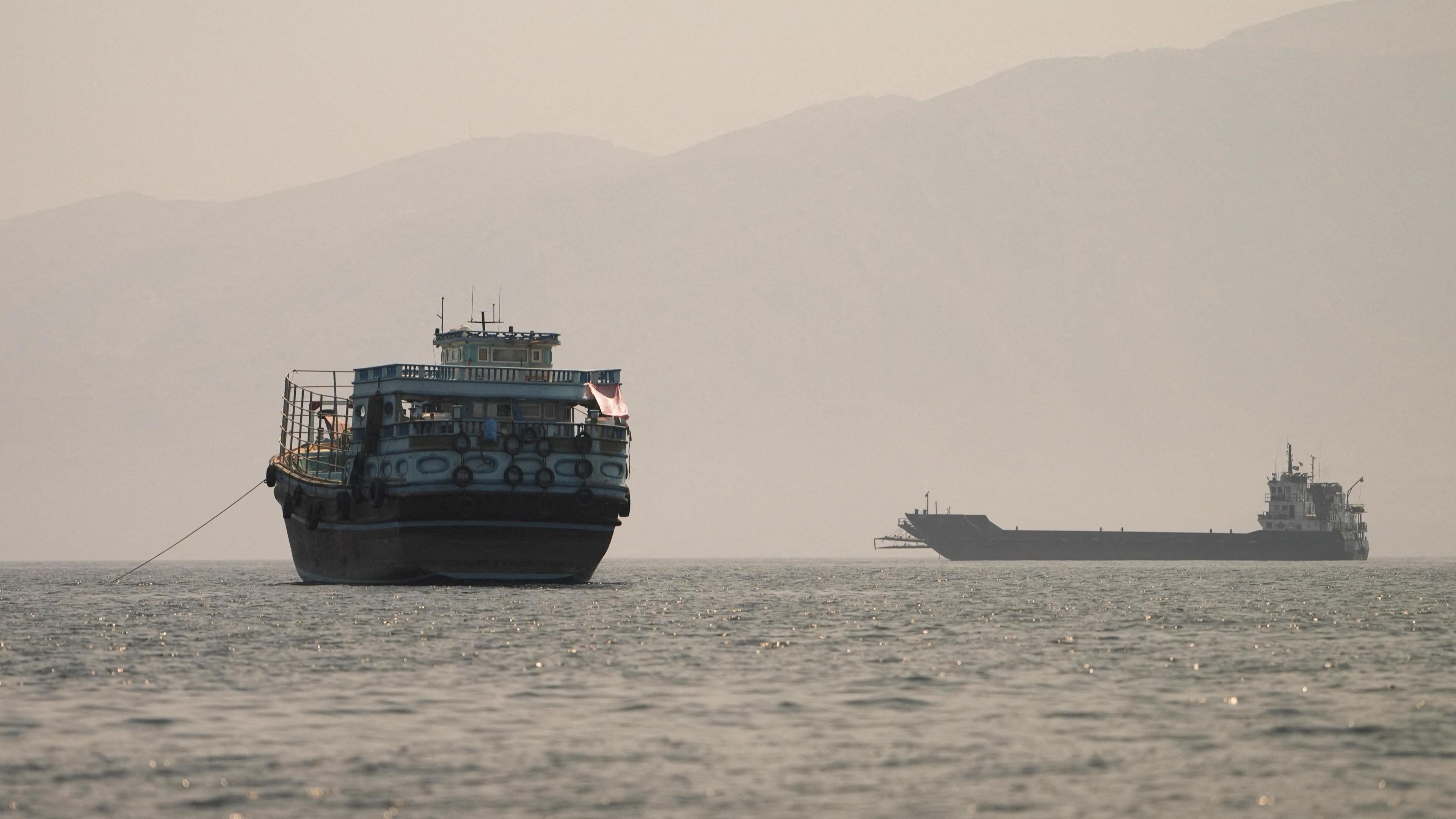
For weeks the Strait of Hormuz—a key waterway for oil and gas—has seen a back‑and‑forth of blows. Both sides said the other burned the ceasefire they signed a few weeks earlier.
A US official told the BBC that vessels can now move through the gulf “freely” and that talks to end the conflict permanently will keep rolling. President Trump even posted on Truth Social that a meeting will happen in Doha.
Special envoy Steve Witkoff and Jared Kushner are already heading to Qatar for high‑level talks. The 14‑point memorandum signed on 17 June said “immediate and permanent termination of military operations on all fronts” and Iran promised 60 days of safe passage for commercial ships.
While the missile exchanges cooled, tensions linger in the region—particularly in Lebanon where Israel and Hezbollah are still in conflict. Analysts say any widening of hostilities could jeopardise the new calm.
The world now watches to see if the ceasefire stands up to new flare‑ups, and whether the Strait of Hormuz stays open for the billions of litres of oil that ship daily.