In brief
A Marine from the U.S. Air Force Base in Okinawa, Japan, has been taken into custody over the murder of a 39‑year‑old woman, Anna Yagi. The killing, found in a hotel in Naha, has drawn strong condemnation from Japan’s leaders and calls for tighter discipline of U.S. troops. Both the U.S. Embassy and the Marines claim full cooperation with Japanese authorities, but the case threatens to strain the long‑standing U.S. military presence on the island. Local officials blame the incident on inadequate training and accountability, raising concerns about future security and community relations. The event highlights ongoing tensions around overseas U.S. bases and the need for better oversight.
A US Marine has been arrested on suspicion of murder after a woman's body was found in a hotel in Okinawa, Japan, local officials say. The crime is described as a brutal robbery and homicide by Prime Minister Sanae Takaichi, who urged the US to enforce stricter discipline of its soldiers. NHK identified the victim as 39‑year‑old Anna Yagi and the suspect as 20‑year‑old Devin Jacob Ballard of the US Marine Corps Air Station Futenma.
The Marine Corps tweeted, “We are actively cooperating with Japanese authorities and extend heartfelt condolences to the victim’s family.” U.S. diplomats in Tokyo are working closely with local police, with the U.S. ambassador summoning Japan’s foreign minister to discuss the incident.
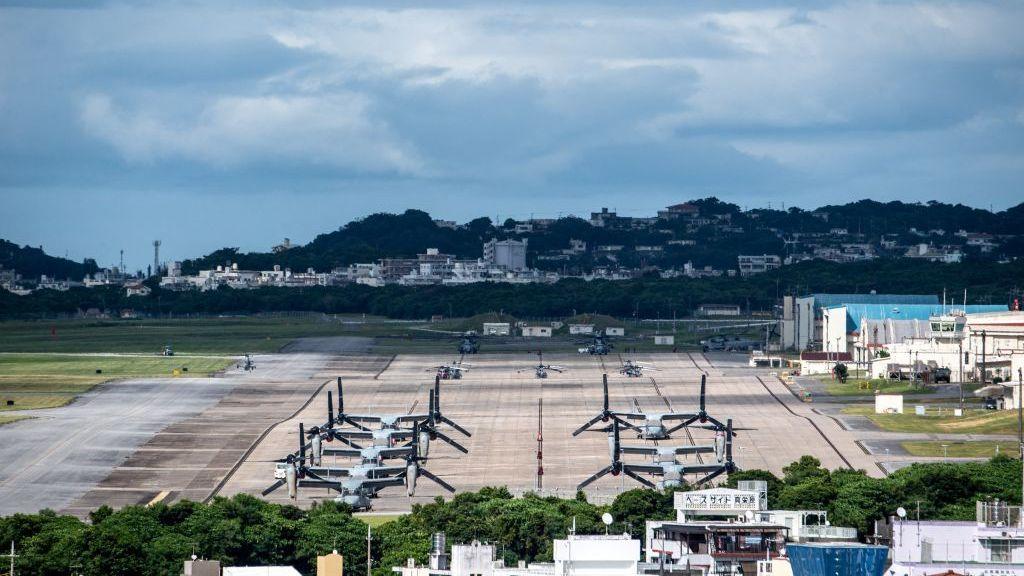
Okinawa, home to U.S. bases and thousands of American troops, has long pushed for better enforcement of discipline. Governor Genta Koja said the incident shows “the US military’s efforts in maintaining discipline, educating personnel, and other measures are completely ineffective.”
As the case unfolds, questions loom over how overseas forces are trained and monitored, and whether U.S. military presence will feel safer for Okinawans in the future.