In brief
In 2025, President Donald Trump earned a record $2.2 bn while in office, a figure that eclipses all previous presidents. Much of this profit came from cryptocurrency ventures, including a $1.4 bn stake in a meme coin and $500m from a business founded by his sons. Trump’s handling of his business interests, such as refusing to place them in a blind trust, has sparked debate over ethics and conflict of interest.
From Truman’s modest pension to Trump’s $2.2 bn windfall
Harry Truman left the Oval Office with a \$113‑month Army pension, openly refusing any corporate deals that could compromise the presidency. Fast‑forward to 2008, George W Bush placed his real‑estate empire in a blind trust and spoke little about how the financial crisis might have affected his worth. Recent data tells a very different story for Trump.
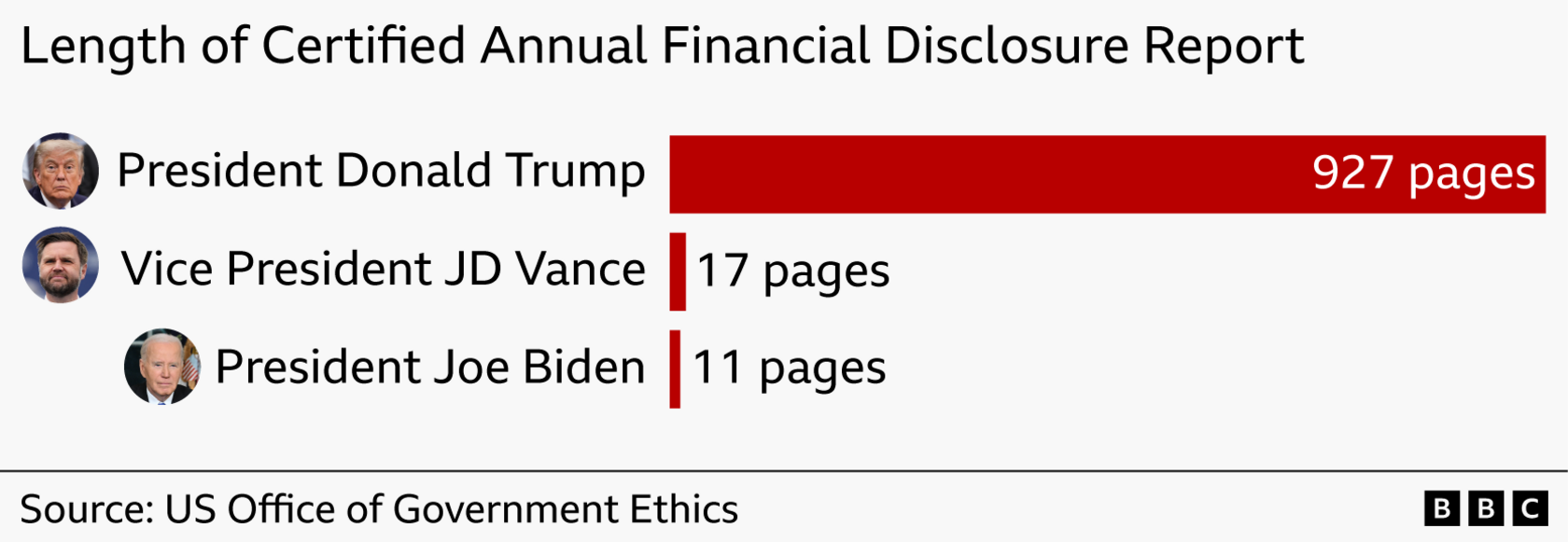
In his first full year as president, Trump’s mandatory disclosure showed he earned at least \$2.2 bn – a sum no other U.S. president has reported while in office. Positive confirmation that the earnings came from private business, historians note, “beyond anything we’ve ever seen in the presidency.”
A large chunk of the money came from the cryptocurrency world: a \$1.4 bn stake in a meme coin, \$635 m in royalties from Celebration Coins, and more than \$500 m in money from World Liberty Financial, a firm co‑founded by Trump’s sons. Trump’s second term also brought a crypto‑friendly law on stablecoins, plus a presidential pardon for the founder of Binance, further showing how policy can intersect with profit.
Unlike past presidents who used blind trusts or divested entirely, Trump kept his business interests in place, arguing it was “robust ethical standards.” Critics argue however that this raises a direct conflict of interest, with the administration’s actions sometimes benefiting his owned and family‑controlled enterprises.
The debate continues as ethics watchdogs scrutinize whether a sitting president can have a private‑profit motive. Whether it’s a new era of presidential wealth or a warning sign about separating public service from private fortunes, the numbers speak for themselves.