
In brief
President Trump recently made a significant decision to reclassify state-licensed medical marijuana from a Schedule I substance to Schedule III, reducing its perceived danger. This move may lead to tax breaks for dispensaries, facilitate research on cannabis, and make way for international exports. The shift may also pave the way for broader changes that could benefit recreational marijuana markets. Despite potential legal challenges, industry experts view this as a major step forward in a long-sought policy change, while critics raise concerns over the implications of stronger cannabis products on public health.
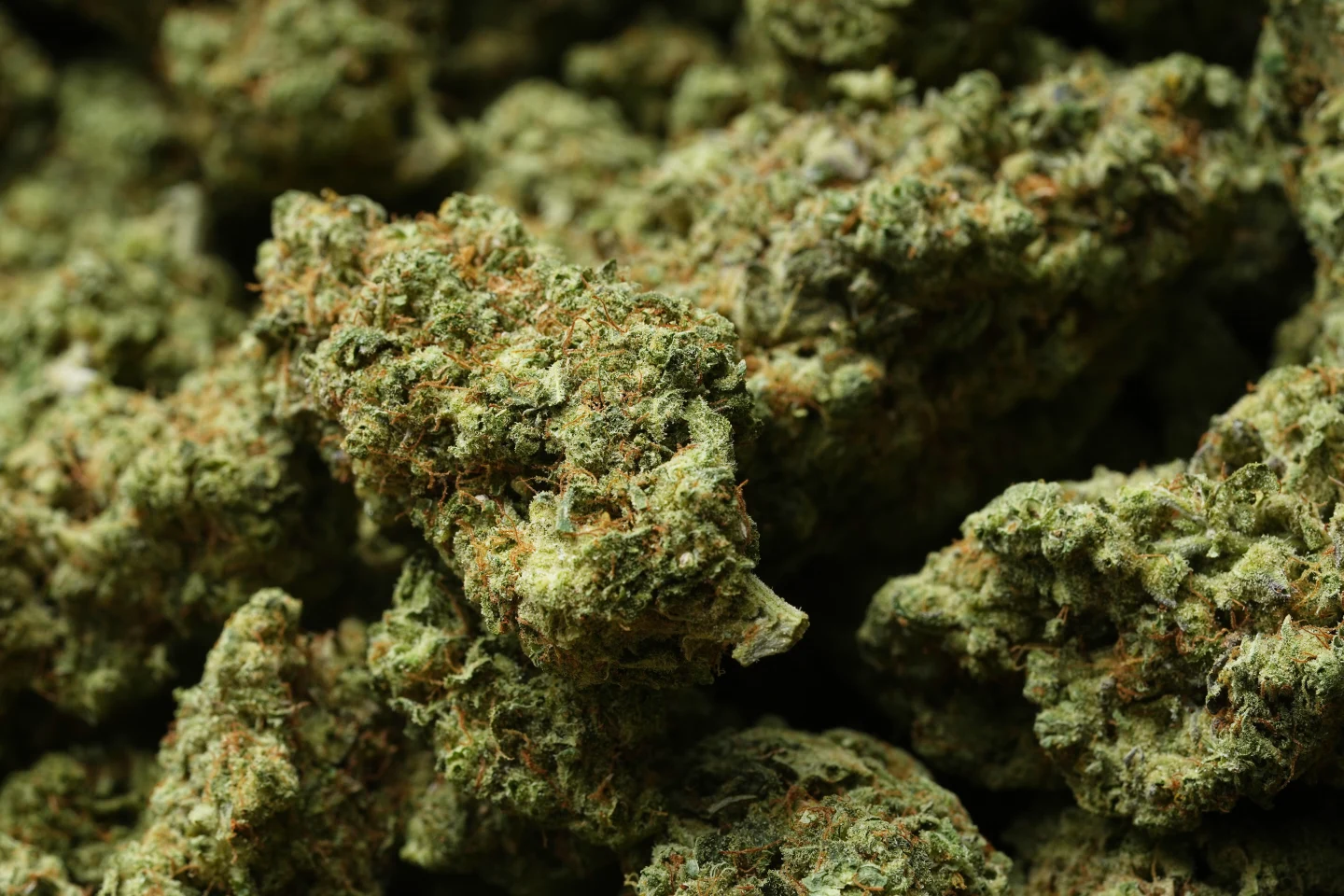
SEATTLE (AP) — In an unexpected move, President Donald Trump has decided to reclassify state-licensed medical marijuana, allowing it to be regarded as a less dangerous substance under federal law. This historic decision provides numerous benefits to the cannabis industry, including significant tax breaks for dispensaries and expedited research opportunities.
Experts believe this could be just the start. Upcoming administrative hearings could potentially open the door for recreational marijuana markets to enjoy similar benefits. Jesse Alderman, a cannabis attorney, remarked, This is a signal that this administration means business on getting this done.
While the order doesn't legalize cannabis federally, it notably shifts medical marijuana from Schedule I to Schedule III, signaling a more lenient regulatory stance on its usage.
A Long-Awaited Shift
The U.S. government's position on marijuana has been historically prohibitive, yet this change signals a new direction as the national landscape evolves, with most states now approving cannabis in different forms. Approximately two dozen states plus D.C. have legalized adult recreational use, generating billions in tax revenue.
However, critics express doubts about the implications of stronger cannabis products and caution against hastily categorizing marijuana as a therapeutic treatment. There’s a growing concern about cannabis use disorder as well. According to Dr. Smita Das from Stanford University, the increasing availability and potency of cannabis products warrant deeper investigation before further policy changes are implemented.
The split between medical and recreational dispensaries raises practical challenges, bifurcating revenue streams that can complicate accounting. Licensed operators now face the tricky task of distinguishing which expenses are tax-deductible under the new classification.
Supporters of the reclassification, like Michael Bronstein from the American Trade Association for Cannabis and Hemp, praise Trump’s order as a monumental advancement in cannabis policy, but opponents argue it mainly benefits large corporations.
As Trump continues to address other drug issues while toughening his stance against substances like fentanyl, his administration's approach to marijuana represents an intriguing contradiction in the broader narrative of U.S. drug policy.