Trump Tries Again to Tighten Birthright Citizenship with New Executive Orders
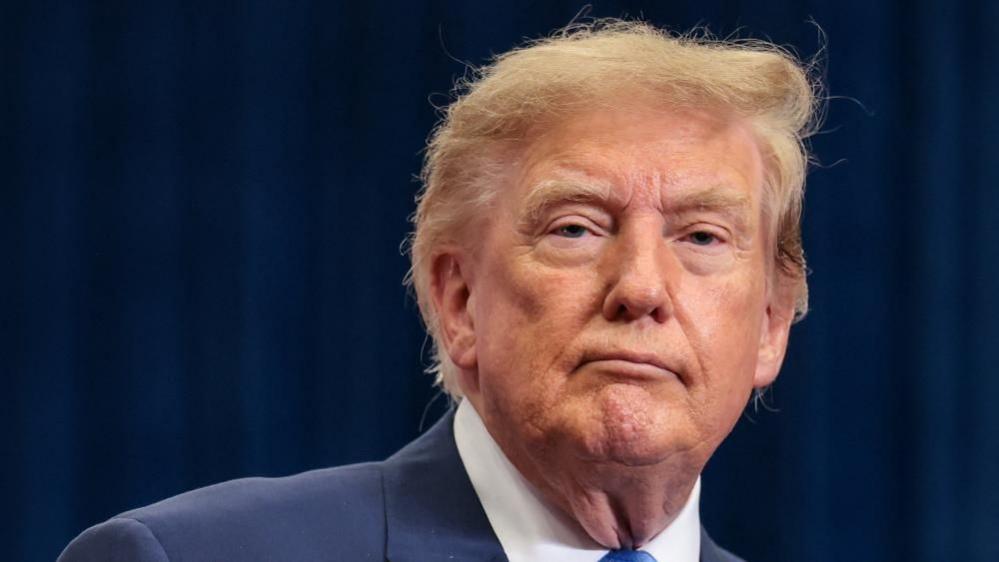
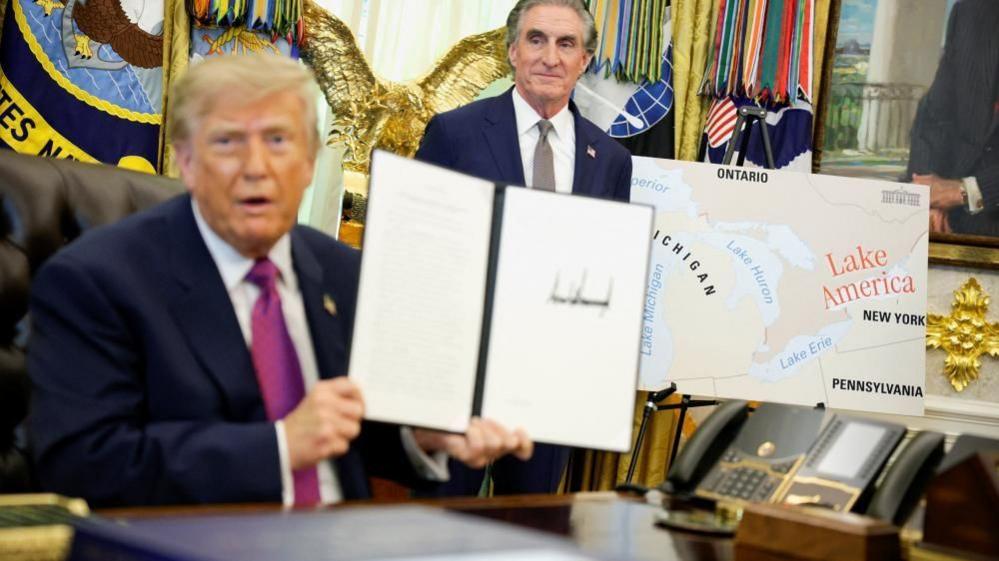
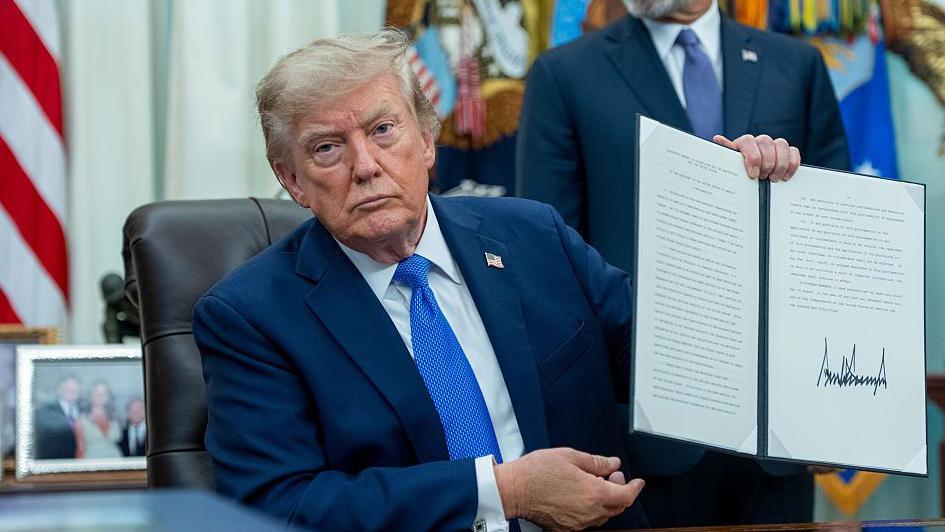
On Thursday, the President signed two executive orders aimed at limiting the automatic citizenship that babies born in the United States receive under the 14th Amendment. The orders expand the category of “non‑citizen parents” whose children are no longer guaranteed birthright status and ban so‑called birth tourism – pregnant migrants who come to the U.S. just to give birth to a constitutional citizen.
“This should have happened years ago, but we’re taking care of it now,” Trump said from the Oval Office, condemning the Supreme Court’s June ruling that reaffirmed birthright citizenship. He noted that the top court’s decision was “a bad decision, very unfair” and that the new executive orders would address the perceived loophole.
The first order prohibits citizens born to two non‑citizen parents if one is a member of a foreign terrorist group, a foreign government employee, or has tried to obtain citizenship fraudulently. The second order also limits citizenship to births occurring in U.S. territories, where the federal statute already covers the issue.
The moves mirror statements from White House officials, who claim birth tourism serves enemies of the U.S. and gives foreign actors a “shortcut” to American benefits, voting rights and social programs. They also echo fears that the system could be exploited by individuals interested in placing a child in a secure, wealthy country with a passport by default.
Legal scholars argue that while the president can restrict entry for those hoping to use birth as a visa strategy, he cannot retroactively strip citizenship from those already born. This question underpins the ongoing debate on the limits of executive power under the Constitution and the 14th Amendment.
The policy shift has sparked rapid reactions from immigration advocates, politicians, and communities across the country, with many calling the orders an overreach that threatens rights for millions of children born daily. The debate is poised to intensify as citizens, scholars, and legal experts weigh the implications for future generations.