Hundreds of wildfires are raging across the northern United States and Canada, sending a blanket of smoke into cities from Minnesota to New York. The haze has forced air‑quality alerts and canceled outdoor events, and has put a spotlight on global trade tensions.
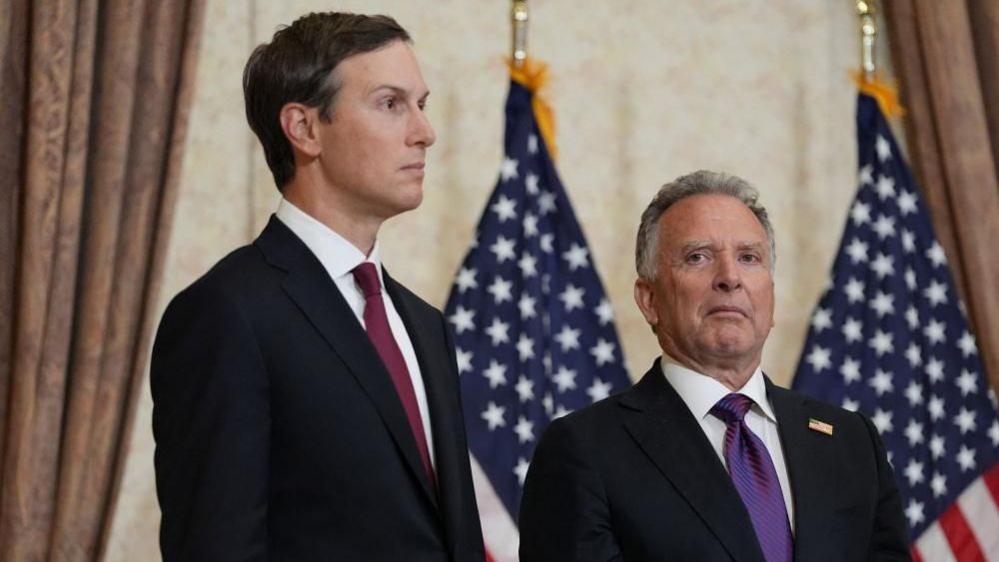
President Donald Trump, in a post on Truth Social, warned Canada that the country’s “willful negligence” in fighting the fires could lead to new tariffs on Canadian goods. He accused Canada of “not properly maintaining” its forests and brush, and said he would call Prime Minister Mark Carney for an explanation.
Canadian officials countered by highlighting a long history of cross‑border support: Ontario Premier Doug Ford said neighbours must help each other and pointed to Canadian assistance in California and hurricanes in North Carolina. Carney’s emergency‑management minister noted that fire‑fighting agreements from 1982 and the 2025 G7 summit are still in place.
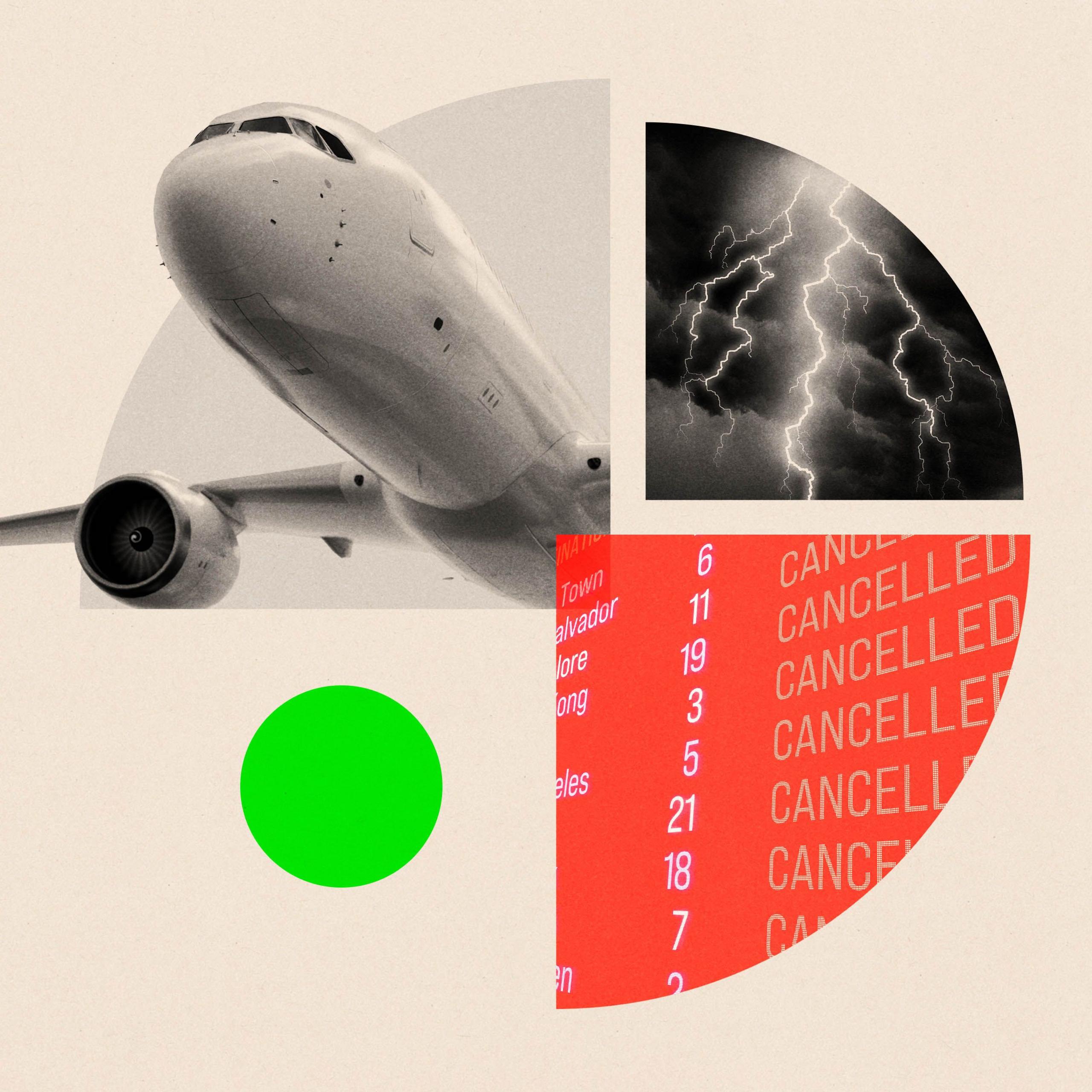
Meanwhile, the smoke has pushed New York’s air quality to “hazardous” levels, prompting city officials to advise residents to stay indoors and hand out free masks. The haze also disrupted flights and cancelled summer camps, concerts, and even a World Cup final in nearby New Jersey.
Scientists caution that while Canada’s fire suppression efforts are substantial, the scale of the problem is driven by climate change, which fuels hotter, drier conditions and makes wildfires harder to control.