In brief
A surprise move by President Trump halted the annual US‑South Korea military exercises, leaving Seoul stunned. The abrupt stop shocked allies and raised concerns about the region’s security architecture. While Trump says he’s “friendly” with Kim Jong Un, South Korea’s leaders fear the decision could backfire on their defense strategy. Experts warn that the pause might embolden North Korea and force South Korea to re‑evaluate its reliance on the U.S. alliance. The move opens a new chapter of uncertainty in East‑Asian diplomacy.
In a blip rarely seen from a US president, Donald Trump pulled the plug on the year‑long Ulchi Freedom Shield exercise—an 18,000‑strong drill that pooled forces from the US and 11 other allies to keep the Korean Peninsula stable.
South Korea’s Foreign Minister Cho Hyun tried to say it was a mutual hit‑and‑run, but Seoul admitted the decision was a surprise. The move rattled not just the Korean military, but also allies such as Taiwan and Japan that lean on US guarantees.
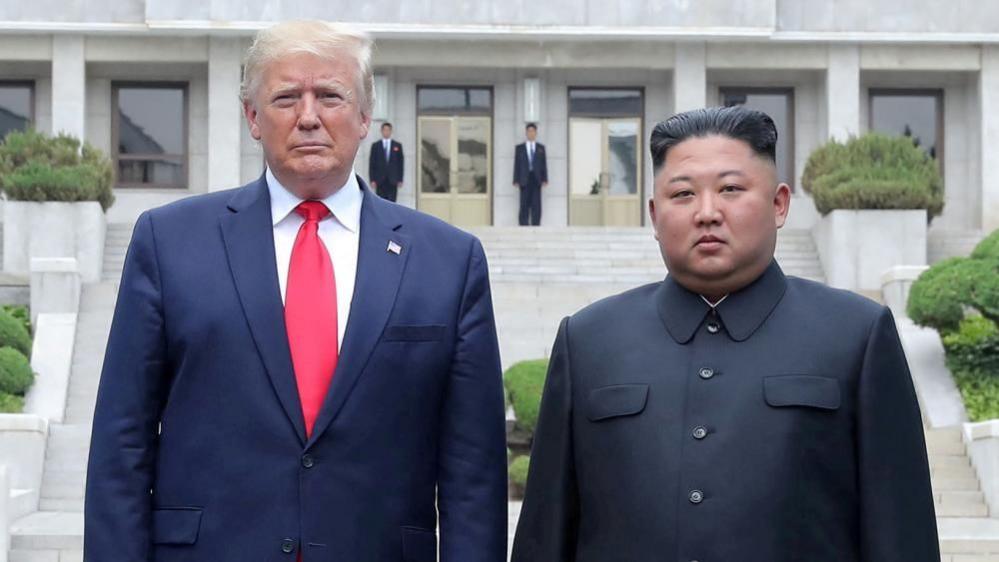
Trump laments the drills as “inappropriate and hostile” to Pyongyang, and calls them costly for the United States. He also hinted at a second visit to North Korea “later this year.” Yet Seoul’s leaders worry that friendly words with Kim come with demands, like cash or military aid that could strain South Korea’s own defense posture.
The U.S.–South Korea Alliance at a Crossroads
Historically, the joint exercises have been the backbone of the US‑South Korea alliance. They signal to the North that Seoul is backed by Washington’s military muscle. Throwing them out of the gate could shake that trust.
Experts fear Trump might ease his stance further—maybe pulling even more troops out or ditching the nuclear deterrence policy against Pyongyang—without consulting Seoul first.
North Korea’s Reaction
Kim Jong Un’s side is less surprised: the North first ripped the South’s liaison office and now bans Korean pop culture. He also proudly declared nuclear weapons a constitutional right. Kim’s sister, Kim Yo Jong, said Trump’s claims of a new friendly link are “unknown to us.”
When South Korea halted the drills, Beijing and other regional powers welcomed a less confrontational atmosphere, though they still worry about South Korea’s future reliance on the US.
What South Korea Can Do
President Lee Jae Myung, who’s family‑friendly with Kim, praised Trump’s “bold decision” on social media, but he’s also raised defense spending to prove South Korea is not just a passive player. Some analysts suggest Seoul might even consider developing its own nuclear deterrent, but doing so would strain current alliances.
While Trump’s call to cut drills shows a new diplomatic tone, the long‑term effect on the region remains in flux. North Korea has regained more military skill—testing new nuclear devices and loading more long‑range missiles. With Trump’s unpredictable post‑Iran stance, South Koreans face a complex balancing act: uphold the US alliance while safeguarding their own sovereignty.