In brief
A 350‑person boat en route from Djibouti to Yemen capsized near Obock, killing at least 109 people, 15 of them children, and leaving dozens still missing. The International Organization for Migration (IOM) reports an 18% rise in dangerous crossings along the Horn of Africa route. Survivors are receiving medical care, while authorities arrange burials for the deceased. The incident highlights ongoing risks posed by poverty, conflict and climate change that drive migrants toward perilous sea journeys.
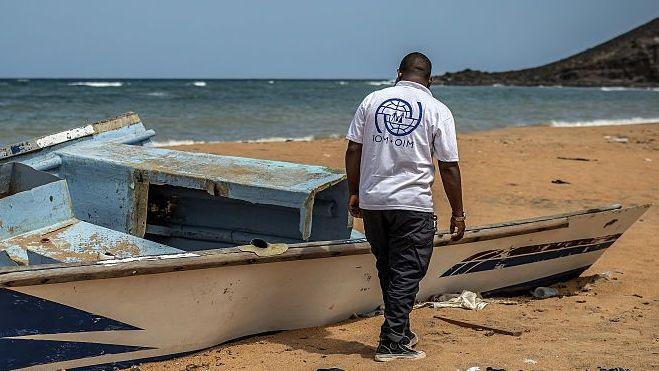
At least 109 people, including 15 children, died when a boat sank near Obock, Djibouti. The 350‑person vessel was heading from Djibouti to Yemen when it capsized on Thursday night.
Around 80 survivors were rescued and handed medical care, but many others remain missing.
The International Organization for Migration (IOM) said the route from the Horn of Africa to Yemen is now 18% busier than before, fueling dangerous crossings.
Most survivors are Ethiopian and are receiving treatment at a local clinic in Obock. Authorities are also arranging burials for those who didn’t survive.
The tragedy is a stark reminder of how poverty, conflict, and climate change push people to risk their lives across the sea.
The IOM is working closely with local governments to prevent future deaths at sea and on land.