In brief
As of Wednesday, the U.S. Mint will strike its last circulating penny after President Trump declared the 1-cent coin obsolete due to rising production costs. With the penny's value diminished in today's economy, cash transactions are changing, leading many retailers to seek alternative solutions for handling customers' spare change. While some celebrate this change, others lament the loss of a nostalgic symbol.
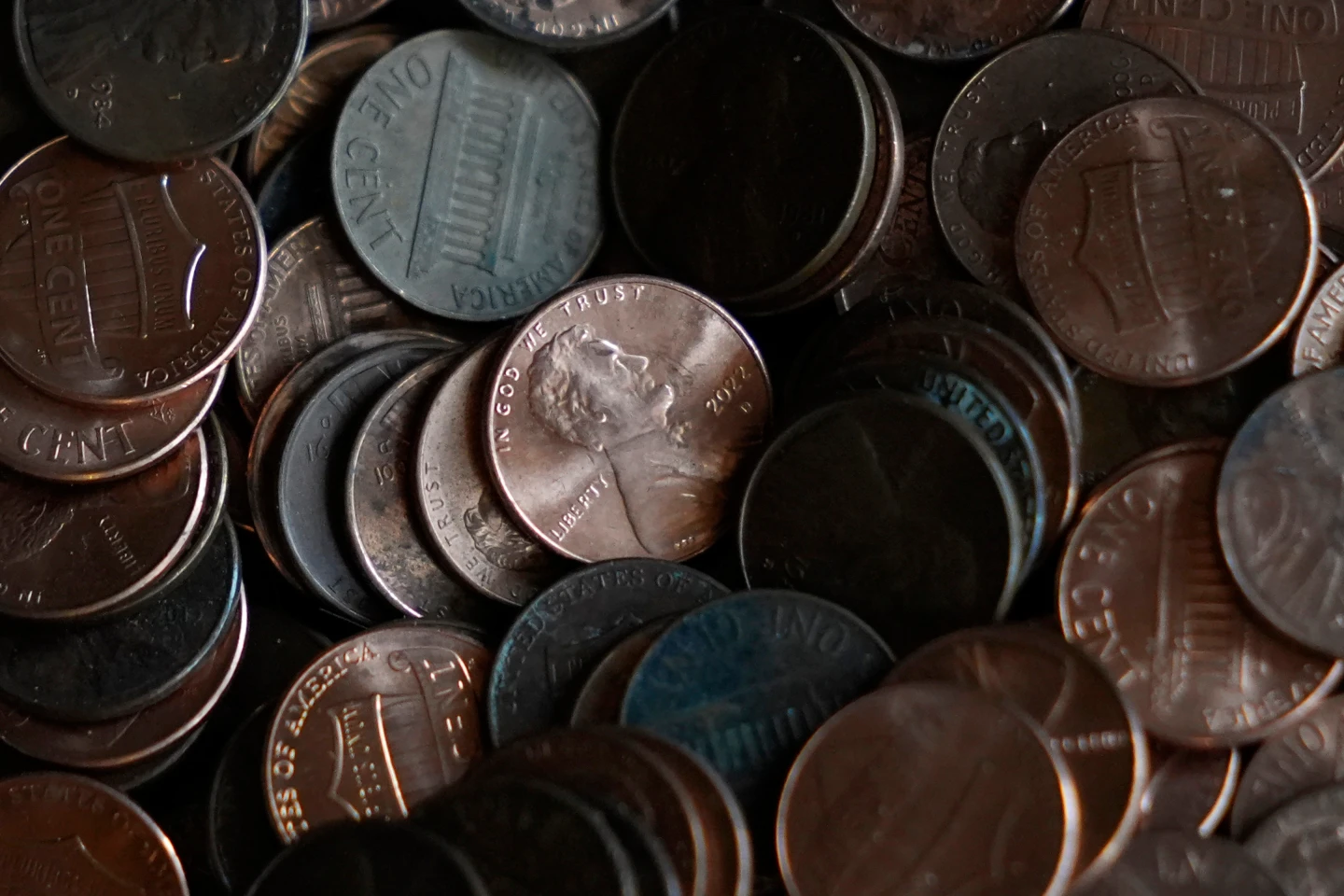
PHILADELPHIA (AP) — The U.S. Mint is shutting down its production of the iconic penny, marking the end of an era for America’s smallest coin, which could once buy a biscuit or a candle.
This significant change comes after a decision by President Trump, as the cost of producing a penny has climbed to about 4 cents, making it economically unfeasible to continue minting.
The Mint has been producing pennies in Philadelphia since 1793, and as of now, billions are still in circulation. However, with the advent of digital payments and shifting consumer habits, many believe it is time to move on.
Some retailers have found the transition challenging, with many not knowing how to handle transactions in the wake of the penny's phase-out, urging customers to bring exact change.
Jeff Lenard from the National Association of Convenience Stores commented, We have been advocating the abolition of the penny for 30 years. But this is not the way we wanted it to go. While the change may save the Treasury around $56 million annually, many are left wondering how it will change everyday transactions.