In brief
In a significant decision, the 5th Circuit Court of Appeals ruled that Texas can require the display of the Ten Commandments in public school classrooms. This ruling has drawn mixed reactions and sets the stage for a potential showdown in the U.S. Supreme Court. Proponents claim it reinforces historical values, while critics argue it violates the separation of church and state. The law, being one of the most significant pushes to integrate religious symbols in schools, could reshape the landscape of educational norms across the nation.
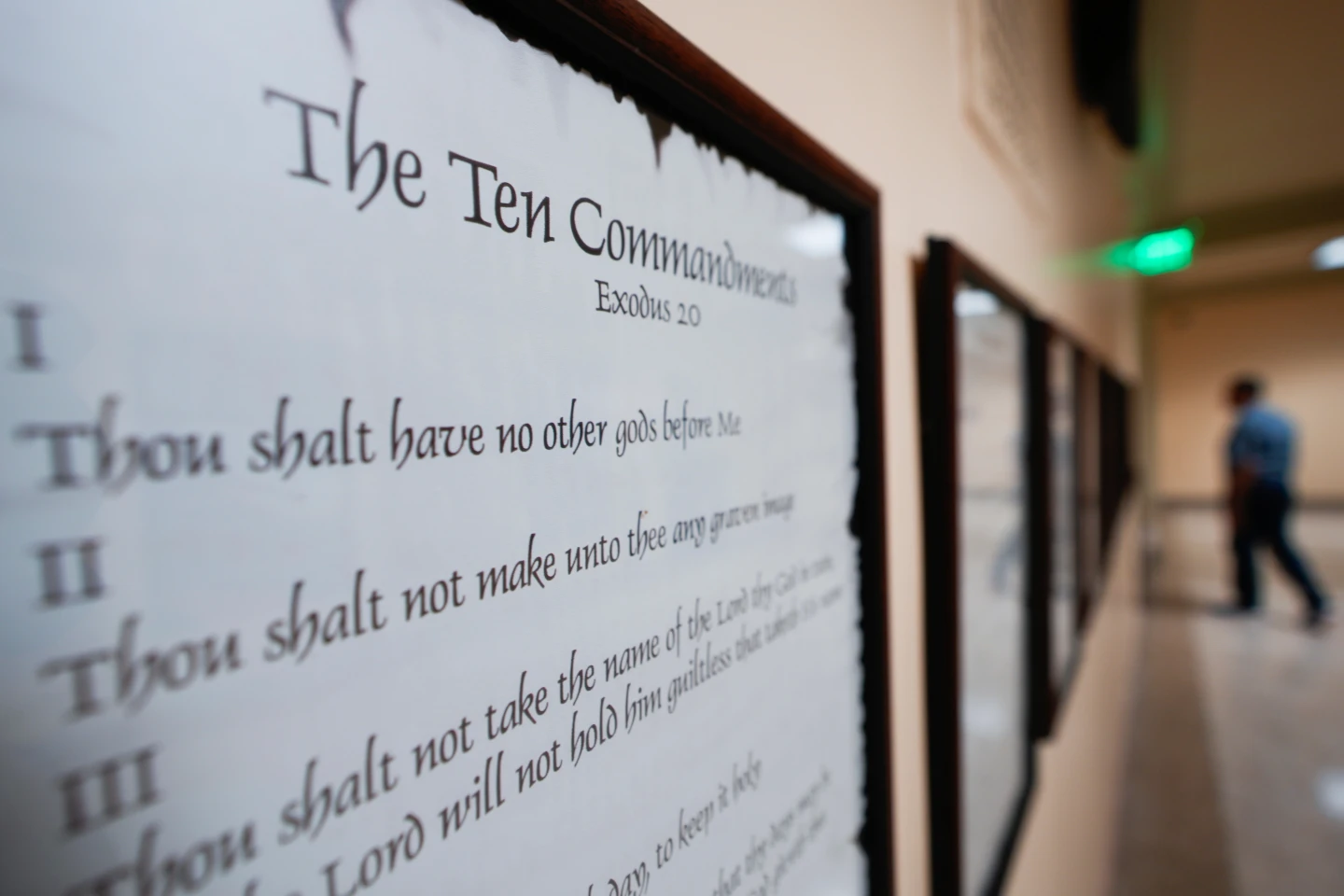
DALLAS (AP) — Texas can require the Ten Commandments to be displayed in public school classrooms, a U.S. appeals court ruled Tuesday in a victory for conservatives who have long sought to incorporate more religion into schools.
It sets up a potential clash at the U.S. Supreme Court over the issue in the future. The 5th Circuit Court of Appeals said in the decision that the law did not violate the First Amendment, which protects religious freedom and prevents the government from establishing a religion.
Texas Attorney General Ken Paxton called the ruling “a major victory for Texas and our moral values.” He emphasized the historical significance of the Ten Commandments and their impact on U.S. laws.
However, the American Civil Liberties Union expressed disappointment, stating that the ruling undermines the principles of separation of church and state. Organizations representing the families who challenged the law argue that it infringes on their rights to choose religious instruction for their children.
Supporters argue that the Ten Commandments are part of the nation's foundational history and should be acknowledged in educational settings. The ruling reinforces the ongoing debate about the role of religion in public life and education, marking another chapter in the evolving discussions around religious symbols in schools.