In brief
At least 52 civilians were killed during three days of fighting in Alamata, a town taken by government forces from Tigrayan fighters. The clash is part of a renewed conflict that began after a 2022 peace deal broke down. Meanwhile, tourists are trapped in Lalibela as flights stop and a network‑cut leaves people without banking or internet. The situation has triggered a humanitarian crisis and raised fears of a broader war that could drag in neighboring Eritrea.
A brutal 3‑day battle in Alamata, a northern Ethiopian town, has claimed 52 civilian lives as government troops seized control from Tigrayan forces. The clash is a flashpoint in a war that reignited after a 2022 peace deal failed.
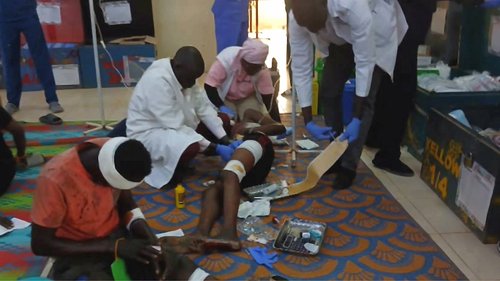
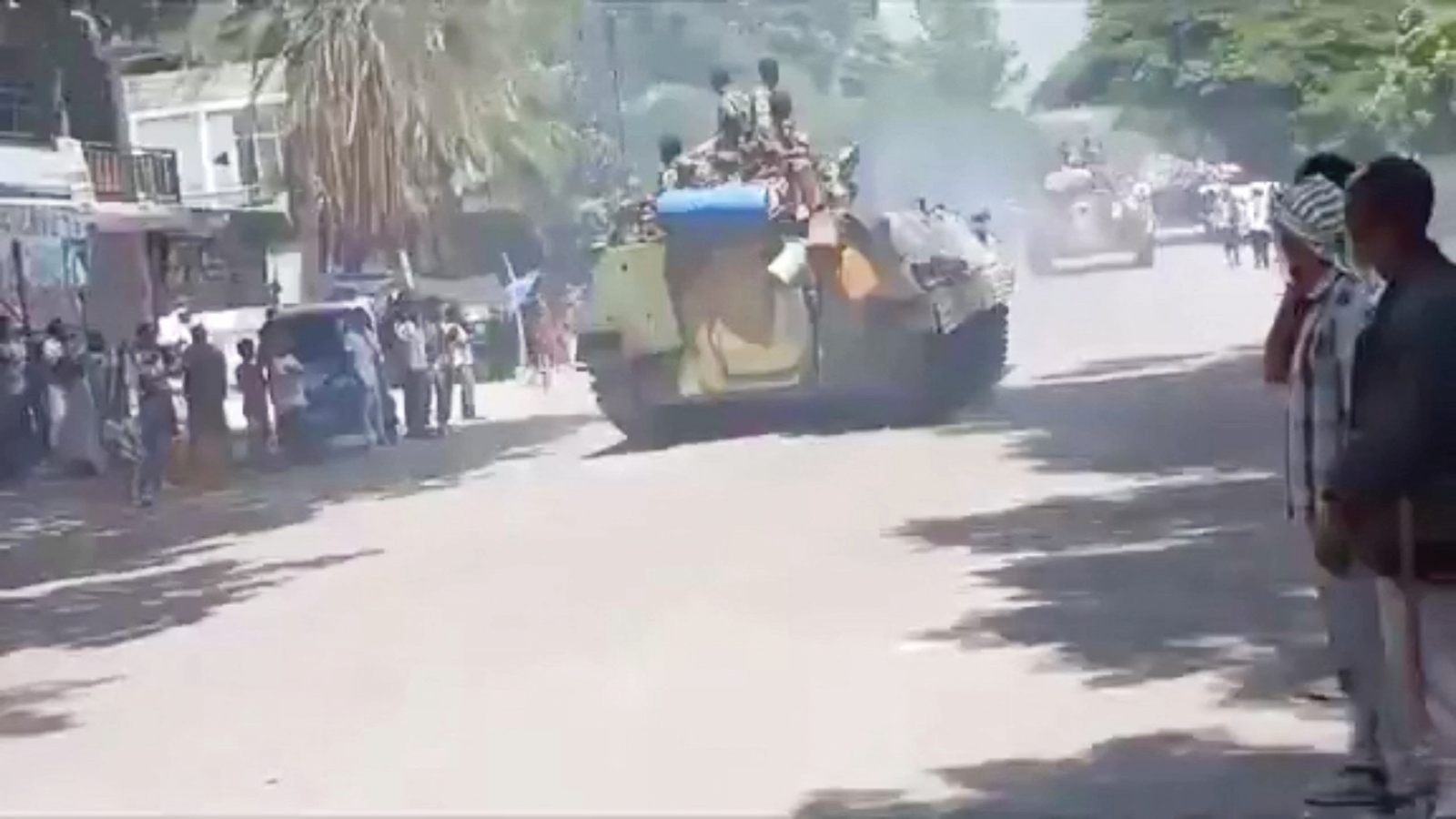
Alamata’s streets now line up with army tanks and artillery shells that landed in homes, according to a medic at the local hospital.
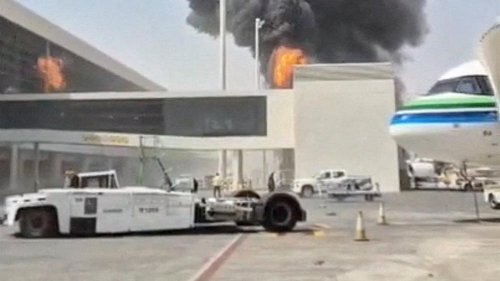
The violence spilled over into nearby regions. In Lalibela, a UNESCO city famed for rock‑cut churches, 33 tourists were stranded after airports were closed and flights stopped. Some were later air‑lifted out by military helicopters, but many remain trapped.
Governments are accusing each other of violating the 2022 agreement, while a coalition of Ethiopian armed groups threatens to spill into the capital Addis Ababa. Eritrea’s possible involvement adds another layer of tension.
A complete blackout has cut telecoms, banking, and internet access in Tigray, leaving residents without money transfer services or the ability to contact loved ones. The Tigray Broadcasting Service has started via satellite to send short messages back to families, but the crisis remains intense.
The BBC cannot currently report from the region and communications have been cut, making real‑time updates difficult. The conflict’s roots are deep, and its consequences are far‑reaching, affecting civilians, tourists, and the regional economy alike.