In brief
Egypt’s courts condemned TV presenter Sarah Khalifa and 11 others to death after a drug‑trafficking cartel was busted. The case highlights a high‑profile crackdown by authorities, with 750 kg of narcotics seized and the defendants also possessing firearms. While nine colleagues got life imprisonment and seven were cleared, Khalifa’s lawyer plans to appeal. The decision followed a required religious consultation, underscoring Egypt’s strict stance on drug crimes and the global concern over use of the death penalty.
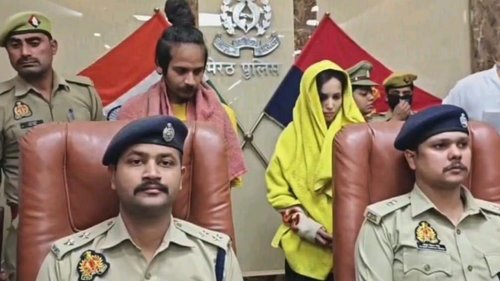
Egypt’s courts sentenced TV star Sarah Khalifa to death by hanging as part of a 12‑person verdict for drug trafficking.
Al‑Ahram reports the group managed a trans‑national drug trade, importing ingredients to manufacture narcotics and selling them, while also possessing illegal firearms.
Khalifa, 39, best known for her programme Mission Impossible, has denied the charges and her lawyer says she will appeal the death sentence. Nine fellow defendants received life sentences; seven were acquitted.
The verdict was announced last month but only confirmed after the court obtained a religious opinion from Egypt’s Grand Mufti, a legal requirement for death‑penalty cases.
Authorities seized over 750 kg of drugs and raw materials, with twenty witnesses and digital evidence (conversations and video clips) presented. Akhbar al‑Youm added that Khalifa claimed she had never seen drugs, only being photographed with them.
Amnesty International’s 2025 report noted 492 death sentences that year, 23 carried out, and that drug trafficking and rape fall outside the ‘intentional killing’ category where death penalty must be limited under international law.