In brief
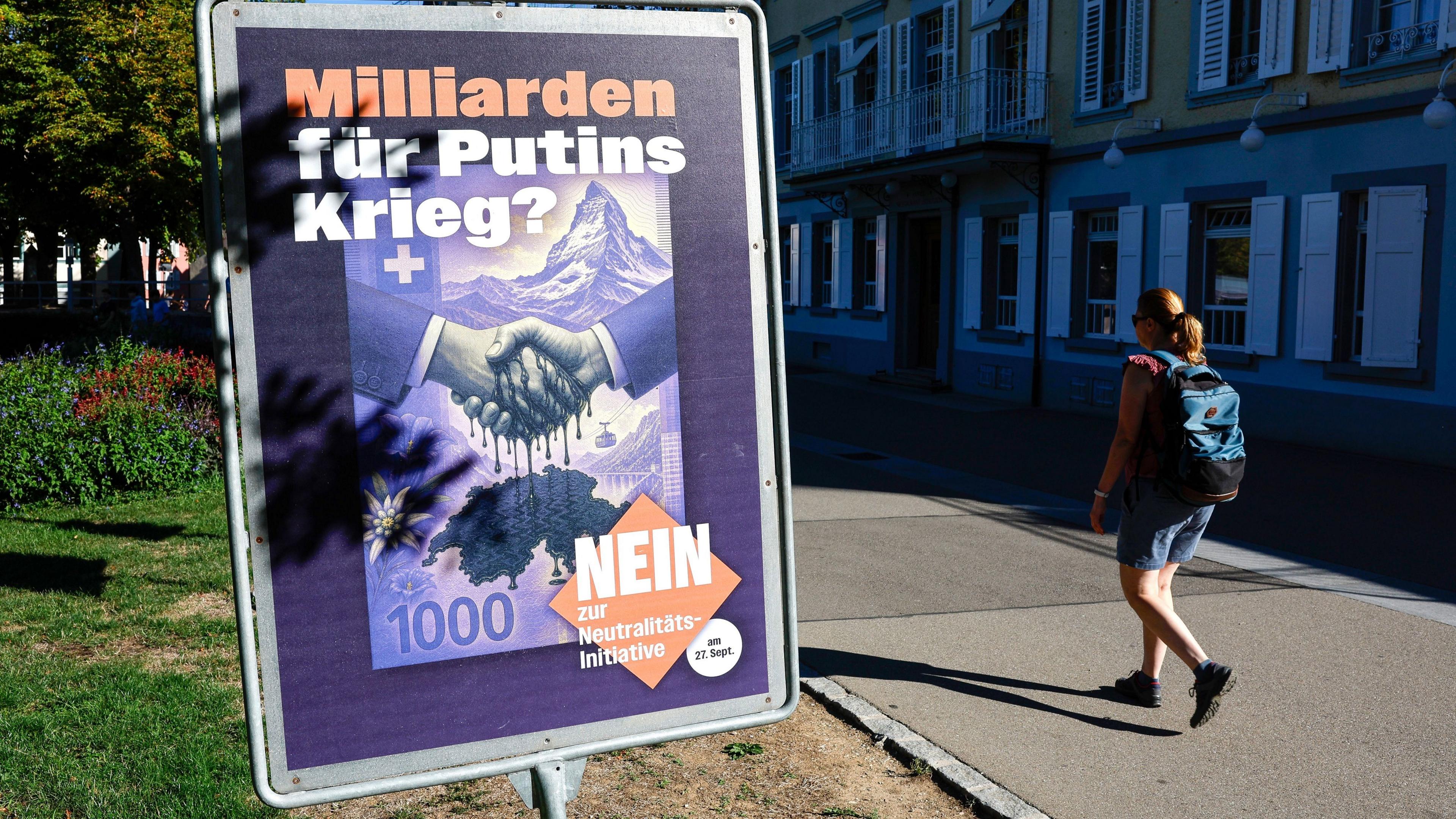
Swiss voters overwhelmingly rejected a stricter interpretation of national neutrality, keeping the country free to impose sanctions against Russia without UN approval. The referendum opposed by the federal government and major parties but backed by Russia and the Swiss People’s Party. Analysts say the vote preserves Switzerland’s long‑standing neutrality while still allowing it to support international sanctions. This decision follows a tradition of direct democracy and reflects public concern about Ukraine and NATO relations.
Swiss voters overwhelmingly rejected a stricter interpretation of national neutrality, keeping the country free to impose sanctions against Russia without UN approval.
The referendum, which was opposed by the federal government and all major parties but supported by Russia and the Swiss People’s Party, saw more than 70% voting down measures that would have cut ties with NATO.
Experts say the vote preserves Switzerland’s centuries‑old neutrality while reaffirming its ability to support international sanctions and defend global rules of peace.
The decision echoes Switzerland’s long tradition of direct democracy, where citizens decide key policy questions through referenda.