In brief
The Strait of Hormuz, the main artery for the world’s oil and gas shipments, saw a dramatic decline in traffic after US and Iranian tensions escalated. Three tankers attacked last week forced merchant ships to pause on the US‑recommended Omani route, slashing daily crossings from 47 to just 23. A June peace deal promised a 60‑day safe passage and lifted US sanctions, yet new strikes have stalled the revival, with analysts warning that a repeating cycle of strikes and negotiations is likely. This tug‑of‑war over control of the strait continues to threaten global energy flows and could reshape maritime trade routes.
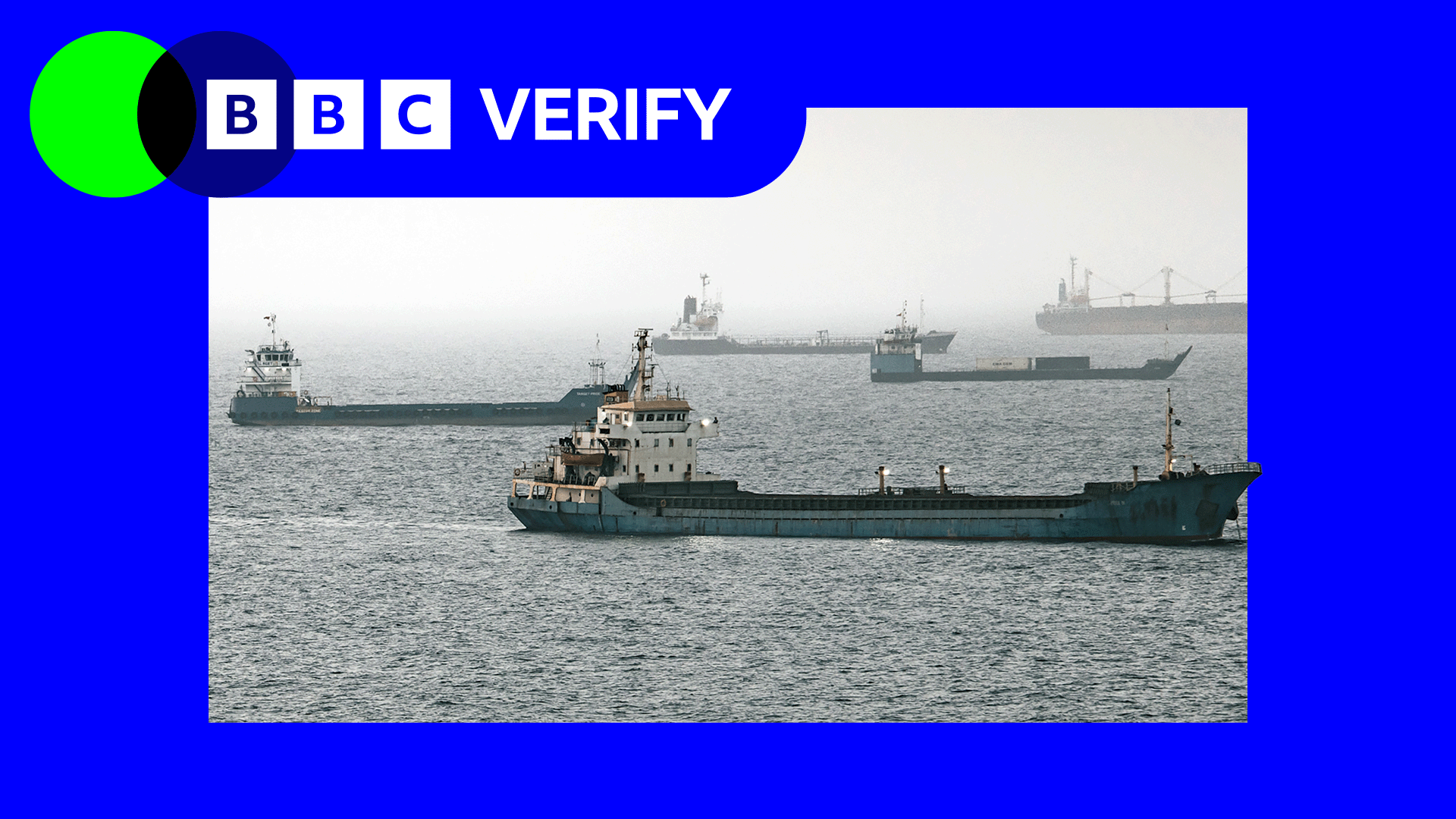
The Strait of Hormuz, a vital artery carrying a fifth of the world’s oil, saw traffic fall sharply after a volley of US‑Iran strikes. Only 23 tankers and cargo ships crossed the waterway on Wednesday, down from 47 the week before, according to maritime intelligence firm Kpler.
The incident followed an attack on three ships that were following a US‑recommended route through Omani waters. Iran insists only its own lanes should be used, a point that has driven a pause in shipping on the safer, mainstream route.
Historically, the strait handled around 138 ships daily. Since the US struck first on 28 February, crossings dropped to a handful, with Iran attacking vessels and laying mines. The US responded with a naval blockade on all Iranian ports.
A cease‑fire signed on 17 June gave Iran a 60‑day period to allow safe, toll‑free passage and called for dialogue with Oman on future route management. Washington also lifted its blockade and eased sanctions on Iranian oil exports.
After the June deal, traffic briefly peaked at 72 vessels, but the latest strikes have erased the gains. Omani‑route crossings have dropped to zero for the week, with the average falling to 10 a day just before the latest attacks.
Security analysts warn this is "the pattern we saw last time”: a back‑and‑forth exchange followed by social media buzz before new waves of attacks reset the cycle. The volatility over shipping routes flags a deeper struggle over control of the Gulf’s lifeline.