In brief
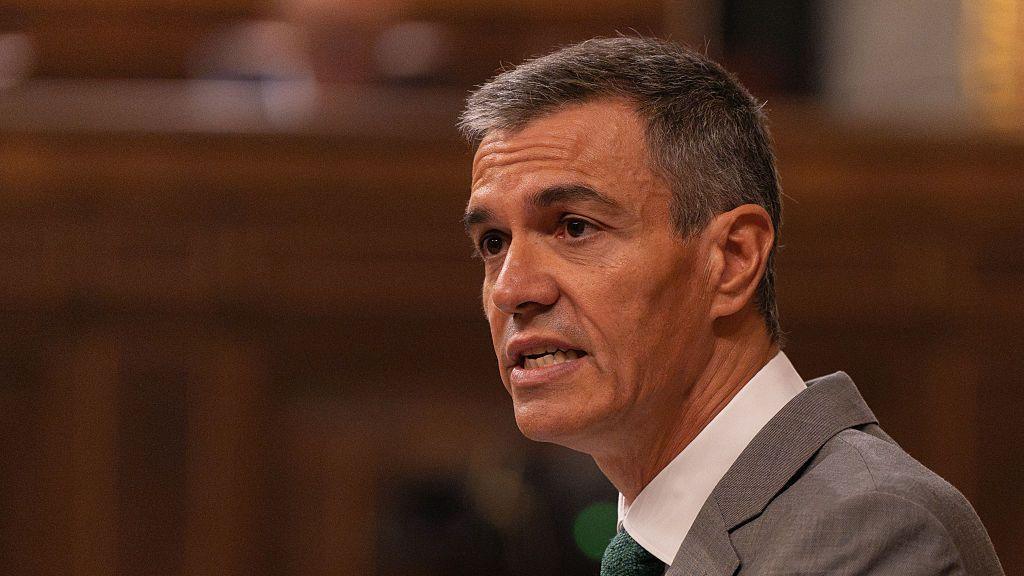
Pedro Sanchez has called an early election for 29 November after a wave of protests over a forced eviction rocked Spain. The eviction of an 87‑year‑old woman sparked nationwide demonstrations and pushed the government to introduce two emergency laws that were then rejected by parliament. Sanchez says he needs a larger majority to push through housing reforms and other policy changes. The decision throws the country into uncertainty as it pushes its election outside the usual 2027 deadline.
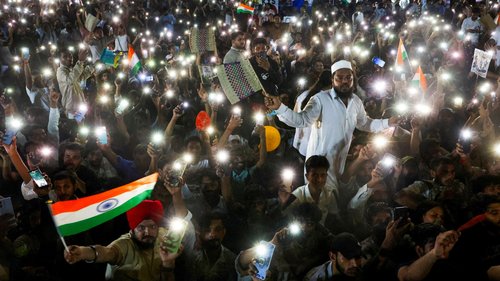
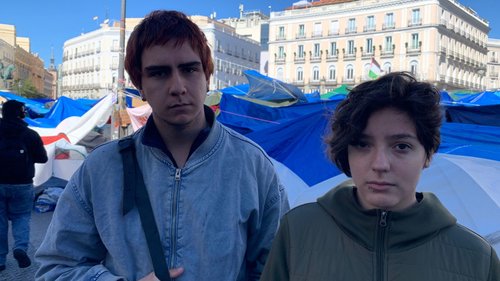
Pedro Sanchez has called an early election for 29 November after a series of protests over a forced eviction captured the nation’s attention. The eviction of 87‑year‑old Maricarmen Abascal, whose rent was suddenly raised from 500 euros to over 2,600, sparked mass demonstrations in Madrid, Valencia and Barcelona.
In response, the minority government introduced two emergency decrees aimed at protecting tenants and halting rent rises. Parliament rejected both, leaving Sanchez’s coalition without a majority and forcing him to call a snap election.
Sanchez says a broader progressive majority is needed to overcome elite resistance and pass reforms. He also highlighted other challenges, from corruption scandals to a cost‑of‑living crisis.
The move means Spain will skip its scheduled 2027 election, placing the country in a political vacuum. Voters now face the choice of whether to keep the current coalition or elect a new government that can address the housing crisis and other key issues.