In brief
Zimbabwean billionaire Sir Wicknell Chivayo shocked Africa with a swaggered social‑media persona, lavish car giveaways and alleged ties to politicians. He flaunted Rolls‑Royces, posted stacks of cash and claimed to shoulder philanthropy, yet critics warned his wealth came from shady contracts. After dying in a helicopter crash last week, his life continues to spark both awe and outrage: some mourn his pickups for churches and leaders, while others see his gifts as a bid to buy power. The debate over the roots of his fortune and the ethics of ‘political patronage’ is live across the continent’s feeds, forums and mourning crowds. His story illustrates how fame, money and politics collide in the digital age.
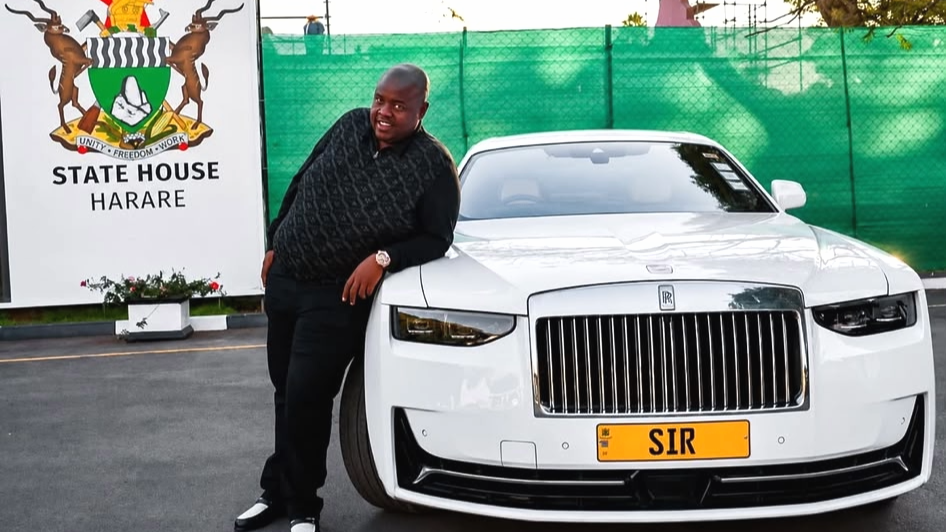
Sir Wicknell Chivayo, the man who called himself “Sir Wicknell,” was a Zimbabwean tycoon whose life sailed across the continent’s headlines. A self‑made entrepreneur who dropped out of high school, he turned a messy early career in black‑market currency and 15‑year‑old boy‑hood into a fortune that landed him a fleet of pink‑plate Rolls‑Royces and a billion‑rand‑level rich profile.
He turned his wealth into a social‑media show‑case, racking up likes with videos of himself tossing stacks of cash, gifting luxury cars to a handful of “deserving” winners, and flaunting selfies with heads of state. The gestures were part mischief, part self‑promotion — amplified by an almost‑titanic habit of filming himself in front of presidents, pastors, and even the king of Eswatini.
While his admirers bought into the “free‑wheels” narrative — seeing a billionaire share riches in a country where many live in poverty – critics slammed his fortune as a product of shady government contracts, such as a $170m solar‑plant deal that never finished. Even his philanthropic offers, which included 20 ambulances and cash for churches, were questioned over whether they were genuine or a calculated vote‑buying move for the ruling Zanu‑PF party.
When the tycoon died in a helicopter crash last week, Zimbabwe’s tributes racked up: politicians, religious leaders, musicians, and a host of influencers poured in flowers and memes. Yet the fire of debate has not died out; online forums buzz with calls to scrutinise the money’s source and the impact of such ostentatious gifting on democratic politics.
Sir Wicknell’s legacy is still unfolding. It shows how digital fame and wealth can blur lines of accountability, provoke socioeconomic discussions and, ultimately, leave a polarised legacy across Africa’s social platforms. The story stays current as people examine whether his flashy gifts were charity or campaign finance, and ask: can someone “sell power” with a chauffeur‑led luxury car and a shiny title?