In brief
Singapore’s government recently announced a 60% salary increase for its ministers, including Prime Minister Lawrence Wong, who will donate the bonus to charity over five years. The move is touted as a tool to curb corruption and attract talent, but critics point to the stark pay gap and rising living costs. The announcement has ignited online debate on fairness and the role of public officials. Supporters argue higher pay can secure top leadership, while opponents fear it feeds inequality.
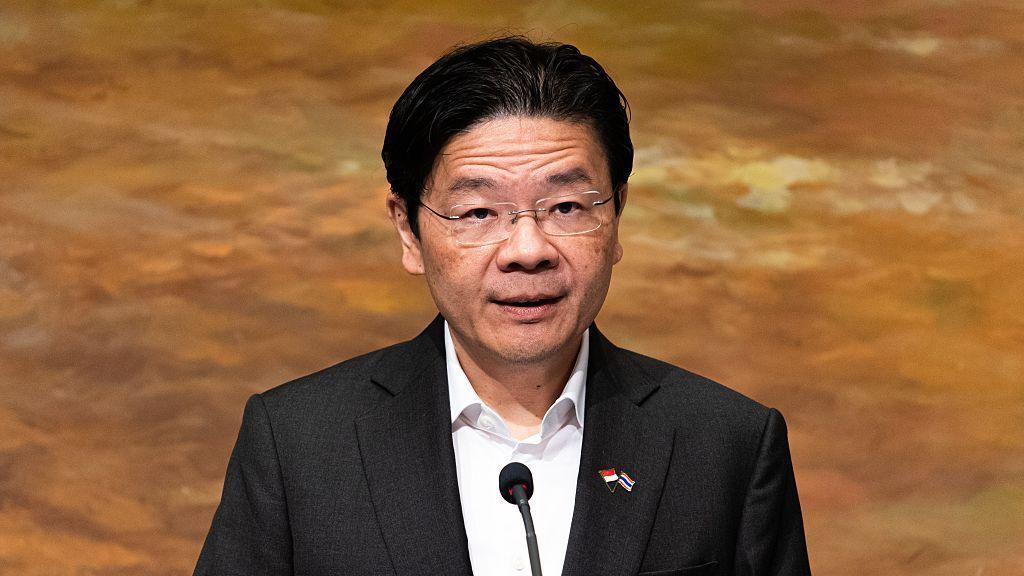
Singapore’s government announced a sizable salary bump for its ministers, including Prime Minister Lawrence Wong. The move, combining a surge in wages with a charity pledge, has sparked debate on fairness and talent retention amid rising cost of living.
Wong’s annual pay will climb from S$2.2m to S$3.6m – an increase of over 60%. He intends to donate the bonus to charity over the next five years.
Supporters claim higher salaries reduce corruption and attract skilled leaders. Critics worry about salary disparities, especially as the median monthly income is just S$5,775.
While the restructure has stirred online backlash and questions about job security, proponents stress the importance of “the best of the best” leading the country.